


Beckhoff XTS System Revolutionises Motion in Food and Beverage Manufacturing

Beckhoff XTS System Revolutionises Motion in Food and Beverage Manufacturing : According the latest United Nations (UN) data, two thirds of the world’s countries expect 50 per cent increase in population between 2019 and 2050. Manufacturers in the food and beverage industry are under pressure to satisfy increasing demand, and ensure that products are safe and comply with numerous regulatory guidelines. For food manufacturers that are willing to innovate, Stephen Hayes, managing director of industrial PC provider Beckhoff Automation UK, explains how a revolutionary new transport system can help. Increasing productivity and safeguarding consumers’ health are the two main challenges for food and beverage manufacturers. On the one hand, plant managers are expected to speed-up production and diversify their offerings, in order to keep up with increasing demand from more informed consumers. On the other, they must comply with a sector that is among the most strictly-regulated when it comes to hygiene standards. Food safety essentially relies on the control of contamination. In this sense, transport systems used in food processing are a central concern for the food industry, as micro-organisms can easily accumulate in the different components of a conveyor. If this happens, consumers’ health is at risk and so is the manufacturer’s reputation. A revolutionary movement Thanks to its innovative eXtended Transport System (XTS), Beckhoff’s Automation segment has succeeded in turning food manufacturers’ biggest concerns into opportunities. Specifically, to speed up production while improving cleanability. Like any truly-innovative idea, the XTS system is based on a simple, yet ground-breaking concept. Or, in this case, two concepts: first, the possibility for every mover on the track to glide independently; plus the combination of rotary and linear elements to create a customisable track. In fact, Beckhoff’s XTS transport system combines the benefits of two well-known drive principles, linear and rotary, into a single mechatronic system. This has never been done before and allows manufacturers to create the perfect geometry for their application, no matter how complex. There are no length restrictions for the entire path and the number of movers can also be customised. In other words, the system is limited only by the available computing power of the industrial PC. On this track, movers can be positioned in different parts of the belt and travel independently; each with its own speed, acceleration and motion pattern. Alternatively, movers be combined into couples or clusters in order to create hoops that travel together at an established speed. Additionally, the XTS can be operated in any installation position, so it can be applied with maximum flexibility to match the specific needs of the production line. More hygiene with improved cleanability Beckhoff’s XTS is also available in the Hygienic version, a stainless steel model that combines the benefits of this revolutionary transport system, with improved cleanability and resistance to harsh detergents and disinfectant. The XTS Hygienic is therefore perfect for industries where frequent washdowns are mandatory, such as the food processing industry or the pharmaceutical sector. Severe rules for the hygienic design of transport systems have been established by the European Hygienic Engineering & Design Group (EHEDG). The XTS is EHEDG compliant and meets the requirements for system certification according to EL Class I AUX. It has a protection rating of IP69K and can therefore cope with surfactants, acidic and alkaline cleaning agents as well as with different types of alcohol, disinfectants and even hydrogen peroxide. The stainless steel body of the transport system ensures a high resistance to delamination, while the absence of edges or undercuts prevents soil accumulation and facilitates cleaning. Additionally, all components of the Hygienic XTS are sealed at the joints with a high-quality elastic material that enables high-pressure washdowns. Thanks to these characteristics and its innovative approach to motion, the Hygienic version of Beckhoff’s XTS has been shortlisted for the Food Processing Awards 2019 in the category, ‘Process & Packaging Solution or Process’. Unprecedented challenges call for unprecedented solutions. With the XTS Hygienic, manufacturers can optimise production and ensure that manufactured foods comply with the highest hygienic standards. Manufacturing & Engineering Magazine | The Home of Manufacturing Industry News
Iced Drinks Giant Polar Krush Launches New Brand

Iced drinks giant Polar Krush has launched a new fizzy frozen brand. The brand, Vortex Fizzing Ice Storm, will be served in self-serve dispensing units, available in four flavours, lemon and lime, blue raspberry, strawberry and tropical. The dispensing units will feature HD digital video display and can serve 430 drinks per hour. Polar Krush is a family owned business that supplies iced drinks to soft play and trampoline parks, holiday parks, leisure centres and bars and restaurants. “We are innovators at Polar Krush and pride ourselves on providing excellent products and service to our customers. There is limited choice in the frozen carbonated drinks market which is why we made the decision to invest in the development of the Vortex brand. We want to tap into the growing popularity of fizzy frozen drinks and our aim is to offer consumers an exceptional taste experience, which is also a healthier and more environmentally responsible alternative to what’s currently available,” said Vortex sales director Michael Reid. Earlier this year, the Northumberland-based company introduced a 100 per cent recyclable spoon straw, made from made from paper and recycled cups. Polar Krush also acquired Fraser Distribution this year, which trades as Slushee UK, in a deal that included Slushee UK’s large fleet of machines. Manufacturing & Engineering Magazine | The Home of Manufacturing Industry News
How Real-Time Visibility of the Supply Chain Can Help Mitigate Food Waste
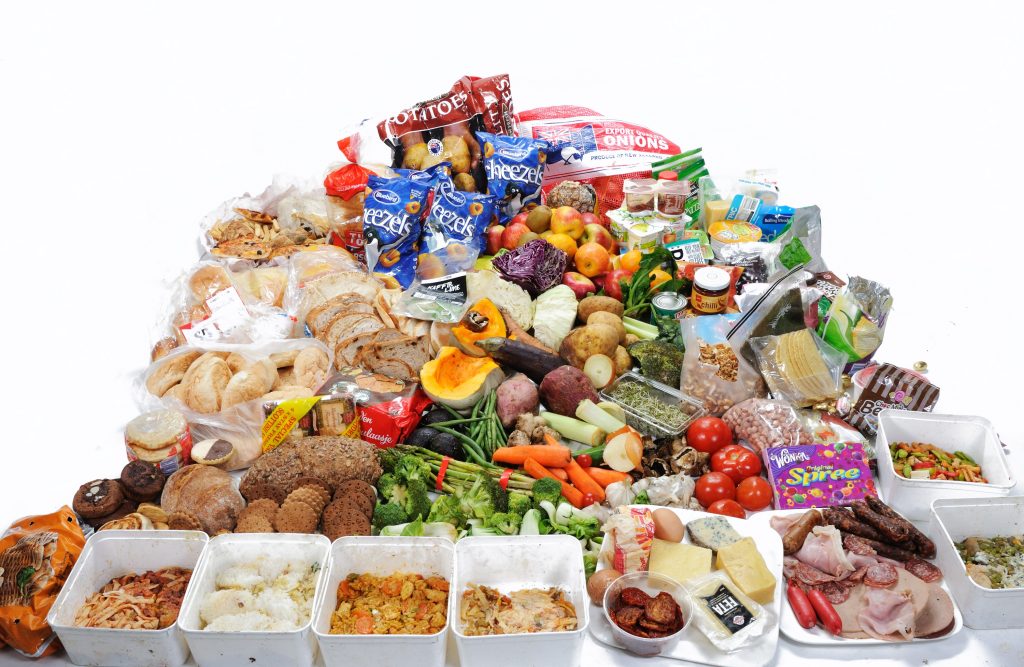
How Real-Time Visibility of the Supply Chain Can Help Mitigate Food Waste : In today’s market, consumer demands have not only driven supply chain efficiencies for greater speed and convenience but are increasingly now forcing retailers to address expectations of improved sustainability. The consequences of keeping up with customers’ wishes aren’t always easy and may have an adverse effect on short term business plans and processes, especially if your supply chain isn’t as seamless and transparent as it should be. Even the smallest of inefficiencies can add up and lead to all manner of waste during production, transport and even disposal. Over recent years, the grocery market has come under scrutiny and intense pressure to re-evaluate its approach to tackling food waste, with around 88 million tonnes worth being generated yearly across the EU, a staggering 40% of food doesn’t even make it to the market. The problem is, without real-time insight into the exact status and condition of product and inventory within the end-to-end supply chain, what options do companies have to address waste and improve customer engagement? Amir Harel, General Manager of Visibility Solutions at Zetes, explores how complete real-time, intelligence-driven visibility of the supply chain can help mitigate food waste. The Lack of Supply Chain Visibility The world is ready for change. According to REFRESH, an EU research project acting against food waste, resources being lost and wasted in Europe would be enough to feed all the hungry people in the world twice over. It’s a message that consumers around the world are taking to heart. From reusable bags to paper straws, and bottle-free toiletries to meat-free diets, people are taking real steps to reduce waste, and they expect the businesses they buy from to do the same. In the UK, for instance, grocers have encouragingly pledged to halve their food waste from ‘farm to fork’ by 2030. Whilst we commend large retailers for deploying innovative ideas such as the introduction of ‘wonky veg’ – vegetables that do not meet the aesthetic requirements of supermarkets due to shape or appearance – are now being sold in supermarkets to help combat waste, it is analysing the production of waste on a more granular level that will achieve a positive environmental impact at a far greater scale and have more effect. Yet, recent research from Sapio, on behalf of Zetes, reveals that the current levels of supply chain visibility are far from perfect, with a staggering 94% of organisations surveyed saying they lack transparency throughout their supply chain. Unlock Capability To implement an appropriate resolution, it is imperative that the cause of waste is understood. There are so many contributors – from the excess inventory that arises from poor and/or delayed forecasting and orders, to time lost during the distribution process coupled with inefficient transportation models can be devastating for any short shelf-life products. Just 30% of organisations have full visibility of goods in transit. As a result, addressing the food waste that occurs at every stage of the supply chain is a complex task. Research highlights that 79% believe that improved visibility would have a material effect on cutting wastage. As a taste of the potential savings, it’s estimated that supply chains could reduce food waste alone by €240bn. For example, reducing empty miles, improving first time in full delivery, minimising unnecessary stock movement between stores, avoiding forecasting or ordering disputes and achieving far more intelligent routing, are all critical components for an efficient supply chain that minimises waste. Real-time efficiency Having complete visibility and traceability of products is also key to a resilient supply chain, which is especially important when recalls and faults in production can cause crisis situations and disruptions. When retailers are able to share data throughout their supplier ecosystem in real time, they can create the foundations for better collaboration based on stronger connections and highly effective dynamic forecasting. It is also essential that companies understand how technology can be deployed and utilised to address each challenge – whether that is waste reduction through improved transportation or more accurate and dynamic levels of stock availability. So, where to start? Environmental consciousness in the digital age will continue to have a huge impact on retailers. The vision to transform ‘farm to fork’ and remove food waste from the supply chain is big. To succeed, retailers need to start small, identifying priority areas first, where quick and impactful wins can be realised. As they start to see results, they will be able to scale fast and ultimately achieve full end-to-end intelligence-driven visibility. Manufacturing & Engineering Magazine | The Home of Manufacturing Industry News
Food waste – Where Does It Happen?
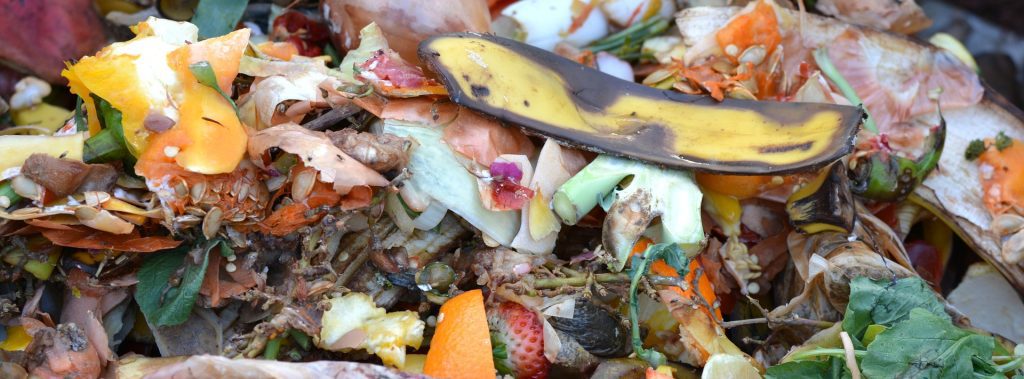
In US households, around 150,000 tons of food is thrown away every day, working out at roughly one pound per person. And it doesn’t stop there. With some 88 million tons of food wasted in the European Union (EU) each year, and approximately a third of produce in Asia resigned to landfills, the food waste problem is an epidemic. Yet the bulk of food thrown away doesn’t even reach consumers. Here, Darcy Simonis, Food and Beverage industry network lead at ABB outlines the areas of manufacturing that are prone to food waste, and how they can be optimized to help tackle the issue. According to the Food and Agriculture Association (FAO), in order to feed the growing population, food production will need to have increased by 60 per cent from 2005 to 2050. Yet, if the amount of food wasted around the world was reduced by just 25 percent, there would be enough to feed all those currently suffering from malnourishment. Food manufacturers play a major role in reversing food waste, not only by influencing supplier and end consumer behaviors, but with direct and tangible action in their own operations. Keeping cool while cutting waste After fruits and vegetables, meat and dairy are the most wasted edible products. Keeping food cold is important to ensure its safety and quality, as well as to extend its shelf life. Failure to provide the necessary temperature conditions for a food item has a direct influence on the product, which can be hazardous to consumers. For example, inadequate chilling of cooked meat or failure to maintain the cold chain can lead to microbiological growth, making the product no longer safe for consumption. The global population is set to grow by 30 per cent by 2050, and it is thought that 68 per cent of people will be living in urban areas. In other words, many of us will be moving away from our food sources, which presents additional logistics and storage challenges when trying to maintain an unbroken cold chain. Additionally, more food is wasted as a result of inefficient refrigeration in developing countries than in developed ones. As the journey of food from the factory to our forks changes, it is vital that manufacturers adapt and ensure effective refrigeration throughout a product’s lifecycle, while acting to provide an effective cold chain in all parts of the world. Make the right predications From sudden snow blizzards and blazing heatwaves, to social media campaigns encouraging plant-based lifestyles and national holidays, a plethora of factors influence consumer purchases. Manufacturers need to be aware of such impacts, as they effect forecasting and inventory. Stocking turkeys at Christmas and Thanksgiving is obviously a smart move. However, if margins are miscalculated and too much of a perishable ingredient is ordered, manufacturers are left with substantial amounts of unused product. With better and more accurate forecasting models, food manufacturers can spend less time guessing and more time maximizing the potential of the ingredients they already have. Picking to perfection Despite recent supermarket campaigns that promote misshapen and imperfect vegetables, if products don’t match up with aesthetic ideals or are damaged during picking and palletizing, they are often thrown away. In the past, delicate products such as fruits and pastries have been difficult for robots to handle without causing damage. Today, advances in automation have mean that robots, such as ABB’s FlexPicker, are able to handle goods with the same degree of care as human hands, but with greater efficiency and the ability to manage several picking and packaging tasks simultaneously. Shifting dynamics In addition, the average household no longer fits the typical two adults, two children mold. In fact, the UK office of national statistics (ONS) found that 28 per cent of UK households have only one inhabitant, while the number of single person households in the US has been increasing since the 1920s. This shift in dynamics places a higher demand for single-portion servings. To reduce unnecessary waste, packaging needs to reflect the change in demand. The introduction of snap-pack packaging means only a certain amount of a food product needs to be opened at once, while the rest can maintain freshness for longer by remaining sealed. With an ever-increasing number of mouths to feed and growing pressure to improve sustainability, there really is no time, or food, to waste. As consumers, we all need to act to reduce the amount of food we buy and fail to use. However, there is also a greater responsibility for manufacturers to review and optimize their processes in order to help make the most out of our resources.
Sales at Manchester Based Food Group Are Soaring

Sales have soared at the Manchester-based food business behind the Paul Hollywood, St Pierre and Baker Street brands with the company – which secured a multimillion-pound investment during the year – eyeing further growth. St Pierre Groupe recently rebranded from Carrs Foods. It was established in 1986 as part of a large European bakery group. For the year to 31 December 2018, the company reported turnover of £69.5 million compared to £49.4 million the prior period. Moreover, pre-tax profits also increased from £5.2 million to £6.9 million. Branded products make up most of the business, with the St Pierre line sold in the UK, Ireland and throughout the US, with the latter being its strongest market for growth. Baker Street is sold primarily to the convenience and cash and carry sectors. It expanded during the year with a new wellness offer – which includes breads made with rye, nuts and seeds in a bid to fill a gap in the UK market for longer life products with healthier attributes. The Paul Hollywood Ready to Bake line is to grow in the comping year, with new products lined up for new categories. “Everyone at the St Pierre Groupe has worked very hard to build us into a fast-growing global bakery business and we are truly proud of our achievements. It’s been an incredibly exciting year for the business. We’ve not only posted very strong financial results, but we were also recognised with a Queen’s Award for Enterprise in International Trade – having become one of the ten biggest bakery brands in the US,” said Jeremy Gilboy, founder of St Pierre Groupe. “We’re planning on more of the same great progress in the next year as we concentrate efforts on increasing distribution in the UK, growing internationally and continuing to invest in our brand and marketing to keep on growing sales.,” he added. Earlier this year, the group secured a £6.7 million investment from BGF and partner Lloyds Bank, facilitated by Grant Thornton. The funds were earmarked for accelerating international growth. Elsewhere, former Tyrrell chief executive David Milner joined as non-executive chairman. Manufacturing & Engineering Magazine | The Home of Manufacturing Industry News
What Can Food Manufacturers Do to Help Reduce Food Waste?
The UK contributes to seven million tonnes of safe to eat food waste, with the average household in the UK spending £700 a year on wasted food. The leading cause of this is confusion to what date labels on products actually mean. Each supermarket and brand of product uses different labelling and language to indicate the dates, which causes confusion amongst consumers who mistake “best before” as a warning that food is no longer safe to eat past that recommended date, which is not the case. These enormous figures demonstrate the need for change. Here, Darcy Simonis, Vice President for ABB’s Food and Beverage division discusses how food manufacturers can help reduce consumer food waste due to label confusion. Mislead by labels Each year, supermarkets waste almost $300 million worth of food while the hospitality sector wastes an astronomical three billion pounds worth. Common reasons for this waste include damaged produce, it doesn’t meet supplier standards or even that demand is low. The main reason for disposal of safe to eat food is due to misleading date labels, with $16 billion convert to US dollars’ worth food wasted because of this. The most recognised food date labels are “best before” and “use-by”. A best before label indicates that if a product is eaten after the recommended “best before” date, the quality will not be at its best, but it is still safe to eat. However, it’s commonly misinterpreted that the food is no longer safe to eat. A “use by” date on a product is a safety risk and meat, fish and dairy products should all be eaten on or before the specified date. However, labels like “expiry”, “sell by” and “display until” add confusion, despite not affecting the consumer, only the outlet selling the product for stock control purposes. Traceability to tackle waste With millions of pounds worth of perfectly edible food filling landfills, a solution needs to be found. Perhaps one of the simplest is to standardise food date labels across all supermarkets and retail stores. The Consumer Goods Forum (CGF) has approved a Call to Action in an appeal to standardise food date labels worldwide by 2020, with the aim to half food waste by 2030. In the meantime, a way that food manufacturers can help to reduce the cause of food waste, could be to implement traceability software. Traceability allows manufacturers to track and record data of food produced through all stages of production, processing and distribution to the consumer, which could influence how much safe to eat food is wasted. In recent years, the concept of ‘farm to fork’ has become increasingly popular, with more people interested in where their food comes from. If consumers could trace how long ago and where their meat was slaughtered, packaged and distributed, or if they could see what date their milk was produced and which farm it came from, they may reconsider throwing away food that is safe to eat, reducing waste. ABB offer traceability software such as Manufacturing Operations Management suite (MOM), which creates a digital trace of a product by integrating all features into a database. For example, farmers could log all information of their livestock into a central system, including identification number, the age of the animal, what date it was slaughtered or milked, the date of packaging and where it has been distributed. A QR (quick response) code or barcode storing the information could be printed out and applied to the packaging. Once the product is on supermarket shelves, consumers can scan the code to view the product data. With the US contributing to 150,000 tons of food waste every day, it’s vital that food manufacturers support the reduction of food waste and should be compliant with the ISO 22005:2007 traceability standard as a minimum. Standardised date labels and traceability will educate the consumer with more knowledge regarding a products journey and process, meaning that consumers have more information at hand in order to make an informed decision when it comes to wasting food.
Pret’s New Menu Packed with Vegan Options
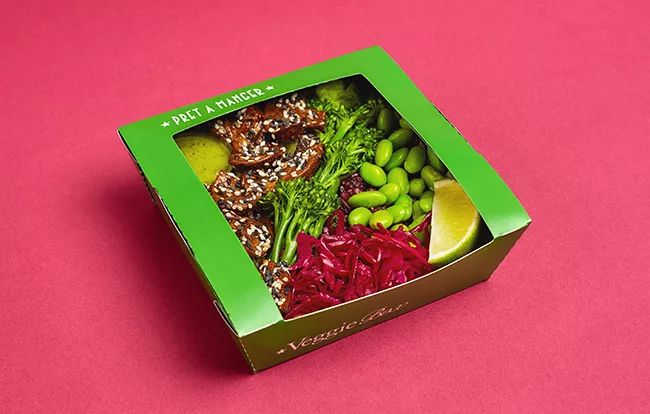
Pret, the high-street coffee shop, has just announced its biggest menu shake-up so far with the launch of 20 new recipes on April 9th to reflect the UK’s changing consumer tastes, and 8 of the new options are suitable for vegans. Inspired by food development trips around the world and evolving consumer tastes, Pret is introducing a variety of new ingredients from smashed avocado to chilli salt and roasted chestnut mushrooms which have been roasted in a sticky tamari, miso and brown sugar marinade to give a delicious umami flavour to two new vegan dishes. Vegan options Vegans looking for breakfast on the go will now find Coconut & Berries on Pret’s new gluten-free bread (£3.25) which features a thick layer of coconut yoghurt dairy alternative, Pret’s five berry compote, fresh blueberries and a scattering of toasted coconut chips. There’s also an Almond Butter & Berry Bircher (£2.35) with coconut yoghurt, shredded apple and almond butter, berry compote and caramelised pecans to put a spring in your step in the morning. If you want to add a bit of sunshine to your morning then you’ll enjoy the Tropical Bircher (£2.99) made with gluten-free granola, coconut yoghurt, mango and banana sunshine smoothie, passionfruit juice, shredded apple, diced fresh mango and coconut chips. Those looking for a nutrient hit at lunchtime can tuck into the Asian-Style Veggie Box (£4.50) which is packed with cos lettuce, long-stem broccoli, sweet roasted mushrooms, black rice, edamame beans, pickled cabbage & carrot and sesame seeds and served with a zingy green dressing. Fans of mushrooms and avocados will love the Roast Mushroom & Smashed Avocado Pot (£2.99) that combines smashed avocado with sweet roasted mushrooms, diced mango, pickle cabbage & carrot and edamame beans. Lunch options will soon boast a Humous & Chipotle Wrap (£2.99) featuring a generous dollop of humous with spicy chipotle ketchup and fresh coriander topped with sliced red peppers, crunchy carrot & mooli slaw, pickled cabbage and carrot and spinach. Gluten-free For the first time ever, Pret will be offering gluten-free bread on the menu. The company couldn’t find a gluten-free bread they were proud to sell, so have instead developed their own recipe that combines oat, teff, buckwheat and quinoa flours, with millet, red quinoa, sourdough and a dash of treacle. Vegans can enjoy a slice of this soft, flavoursome bread topped with Pret’s hand-smashed avocado (£3.25). Manufacturing & Engineering Magazine | The Home of Manufacturing Industry News
Maple Leaf Foods Launches Range of Meat Alternatives

To mark its 40th anniversary, a line of pea protein-based meat alternatives, including a new plant-based burger, is due to be launched by Maple Leaf Foods under its Lightlife portfolio. The range consists of a plant-based burger, bratwurst sausage, Italian sausage and an alternative to ground meat. The Lightlife burger has 20g of pea protein with 0g of cholesterol and 2.5g of saturated fat in a quarter-pound patty. Thanks to a culinary approach to product development, ingredients such as pea protein, coconut oil, and beet powder are said to work together to make a juicy and meaty burger. “With 40 years of leadership in plant-based food innovation, we understand taste is a priority for all consumers. We didn’t join the plant-based category overnight – we’ve long been pioneering the industry. Our new burger is delicious thanks to decades of culinary know-how, and we know we’ll be serving up an entirely better experience for consumers who want a break from traditional meat or whose palates are craving a new adventure. It’s not science, it’s just good food,” said Lightlife Foods president Dan Curtin. The plant-based category is experiencing rapid growth, meaning that Lightlife could bring the product to market quickly. In the US, the Lightlife burger starts shipping to foodservice this month and hits grocery store shelves starting in late March, with more products quickly following. The Canadian launch follows suit in April. “Driven by our best-in-class R&D team, we’ve been able to develop these amazing new products in record time. This core line will attract new consumers to the brand and delight those who have been on the plant-based journey with Lightlife over the last 40 years,” said Lightlife Foods vice president of marketing Michael Lenahan. “The new branding is more vibrant and contemporary while staying true to our rich heritage in natural foods, reflecting the category’s growing consumer base. Combined with our core line innovation, the biggest campaign in the brand’s history, and a rich pipeline of new products across our broad portfolio, we are excited to continue to lead this dynamic category in the US and Canada into the future,” Michael added. The official launch of the burger will be the first time Lightlife unveils its new look. The redesign rolls out across Lightlife’s full product portfolio throughout the summer with more new items to follow. Manufacturing & Engineering Magazine | The Home of Manufacturing Industry News
Insulation Manufacturer Improves Its Tubing Range

Italian based global manufacturer, L’Isolante K-Flex, is pleased to announce that an improved version of their K-Flex® ST/SK product will be available from January 2019 following extensive development work to enhance its insulation capability. The new version of adhesive tubes will be available in diameters from 14 mm to 114 mm, and thicknesses from 9 mm to 40 mm, guaranteeing optimum insulation. The method in which the tube is now cut significantly increases its strength and durability. By using this enhanced product, customers will continue to benefit from saving on overall installation time and improved working conditions. BevEx is part of L’ISOLANTE K-FLEX Insulation Group and manufactures beverage dispense equipment with innovative insulated tubing products for the beverage industry worldwide, using the latest technology to meet the demands of major breweries and bottling companies. All products meet the EU Directive 2002/72EC for food contact applications and are manufactured to ISO9002 using industry approved materials with full traceability. It is based at Coalville in the East Midlands, supplying the European Beverage Market. Its management team has considerable experience in the manufacture and supply of dispense equipment to the global beverage industry. Manufacturing & Engineering Magazine | The Home of Manufacturing Industry News
Conferences Address Microbial Risks in Food

Two symposia dealing with microbial risks in food have been organised by the German Federal Institute for Risk Assessment (BfR) in November 2018: “Food-associated viruses”, on the 7th of November and “Antimicrobial resistance in the food chain” between the 8th and 9th of November. “Microbial risks have arrived in public awareness. Our current representative population survey, the BfR Consumer Monitor, showed that 97% of respondents have heard of salmonella in foods and 89% about antimicrobial resistance, with the majority of them stating that they are concerned about these topics. However, everyone is in a position to minimise personal health risks by ensuring an adequate level of kitchen hygiene,” explained BfR President, Professor Dr Andreas Hensel. There has been a clear reduction in the use of antibiotics in animal husbandry in recent years. Resistance rates are decreasing at the same time in many areas of livestock farming, albeit to different degrees and not in all areas. The number of foodborne diseases caused by viruses is increasing continuously. Hepatitis E, for instance, is transmitted via foods produced from infected domestic and wild pigs. Cases of foodborne infections with noroviruses and hepatitis A viruses are also on the rise. To do justice to the growing significance of these viruses, a European Reference Laboratory was set up for foodborne viruses. Even though the detection methods for viruses in foods have improved considerably in recent years, there is still a need for comprehensive research on how these viruses are transmitted and which measures can prevent their spread. No all-clear can be given for the antibiotic group of fluoroquinolones. Resistance to them has risen in some bacterial species. As there has been no clear reverse tendency in the frequency of treatment either, scientists are recommending that a close eye be kept on this trend in future. It is endeavouring to estimate the effects in human medicine and to develop and validate concepts to reduce the frequency of resistant bacteria. All of this is being done within the framework of the “One Health” concept in collaboration with experts from the fields of livestock farming, veterinary medicine, biology and human medicine, both in Germany and abroad. In recent years, state authorities all over the world have taken measures to control the spread of antimicrobial resistance. The WHO has initiated the “Global Action Plan on Antimicrobial Resistance” and with the German Antimicrobial Resistance Strategy (DART 2020), the national government has developed concepts to reduce antimicrobial resistance. These include the 16th amendment to the German Drug Law of April 2014 which attempts to cover the use of antimicrobial veterinary drugs in livestock fattening businesses in a valid manner. Businesses which use more drugs than comparable businesses must draw up plans and take measures to reduce use.