



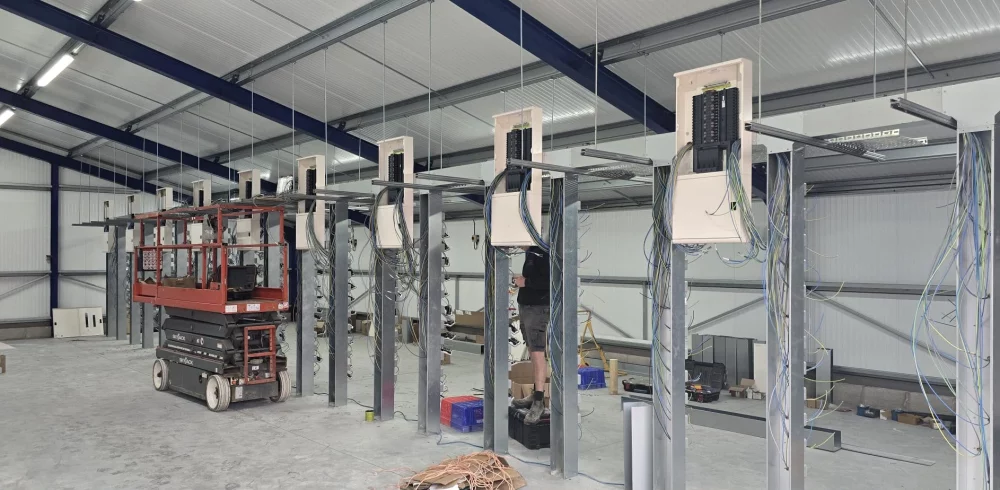
While the industry argues over mining’s carbon footprint, a network of UK farms has quietly started earning Bittensor rewards on electricity made from pig muck – with power costs the big mining operations can’t touch and green credentials no offset scheme can match.
Energy is the biggest line item in any mining or compute operation – and the biggest stick critics use to beat the industry with. Two sister operations have found an answer to both problems in the same unlikely place: farm waste. Easy Compute handles the physical side – building, installing and operating the hardware – while Green Compute runs the crypto layer that turns that hardware into token-earning infrastructure.
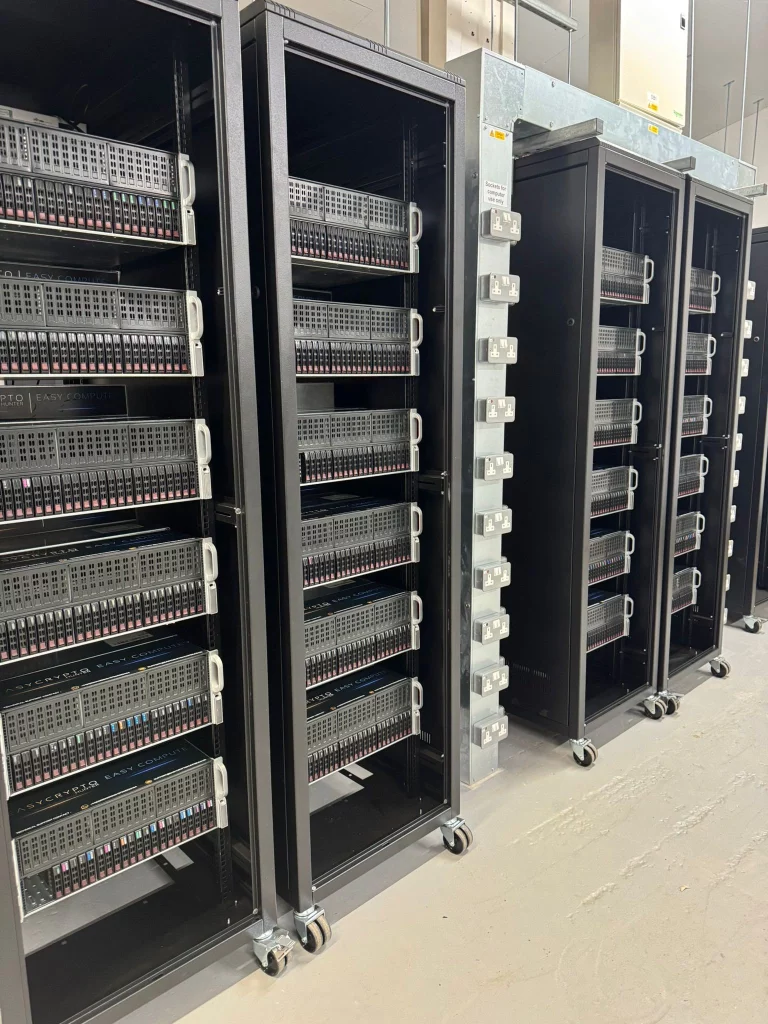
Easy Compute sites its high-performance AI computers directly on British farms that generate their own renewable power – starting with a North West site that converts pig slurry into clean electricity via anaerobic digestion. Green Compute then points that hardware at decentralised AI networks, most notably Bittensor, where it earns TAO by contributing verified green compute – alongside conventional pay-as-you-go rental income from businesses that need AI horsepower.
Why farms beat data centres on mining economics
The pitch to the crypto market is simple: the cheapest, cleanest megawatt is the one generated on-site from waste that already exists.
A farm selling renewable electricity to the UK grid earns around 8-12p per kWh. Redirecting that same power into AI compute can be worth up to ten times more, according to Green Compute – and because the feedstock is slurry the farm produces anyway, there is no exposure to wholesale energy prices, the factor that has crushed margins across industrial-scale mining. The company’s top-performing farm partners are already earning tens of thousands of pounds a month from compute.
For the farms, the crypto layer solves the utilisation problem: when commercial compute demand dips, the hardware switches to earning TAO around the clock, so slurry-powered servers never sit idle.
DePIN with actual infrastructure
Green Compute positions itself squarely in the DePIN (decentralised physical infrastructure) category – but with a differentiator most projects in the sector can’t claim: every node runs on power that is verified as genuinely renewable before it earns a penny or a token.
That verification-first model is a deliberate contrast to compute networks and mining operations that buy carbon offsets after the fact. In a market where regulators and institutional buyers are scrutinising the provenance of both energy and compute, Green Compute argues that provably green, UK-based, farm-generated capacity is a premium asset – not a compliance headache.
Green Compute Coin: utility with a built-in discount
The network runs its own token, Green Compute Coin, with straightforward utility: businesses that pay for compute credits in the token receive a 10% discount, and every credit purchased carries the assurance that the underlying energy is verified renewable. The token effectively lets buyers lock in cheaper, provably green AI compute – and gives the network a native settlement layer as it scales.
“Everyone in crypto knows the two numbers that matter: your energy cost and your uptime. Our energy comes from pig muck a farm was going to have to deal with anyway, and our hardware earns whether it’s serving a business client or mining TAO on Bittensor. The best clean AI on the market is literally running on farm waste – and unlike an offset, you can stand in the shed and smell the proof.”
- Josh Riddett, CEO, Easy Compute / Green Compute
Easy Compute is inviting renewable-powered farms and energy sites across the UK to join the Green Compute network, and businesses can rent verified green compute on a pay-as-you-go basis today.

Manufacturing & Engineering Magazine | The Home of Manufacturing Industry News