



How High Energy Users Like Woodmansterne Are Preparing for the Next Wave of Market Volatility
We have been speaking with Advantage Utilities, following the company’s recent recognition as Energy Consultancy of the Year for Large Customers, about how commercial energy procurement has evolved from being a routine purchasing exercise into one of the most significant financial risks facing energy intensive UK businesses.
For manufacturers and other high-energy users, volatile wholesale markets, geopolitical instability and increasing pressure to reduce costs mean that energy procurement is no longer simply about securing the lowest price. Instead, it has become a strategic exercise focused on managing risk, protecting budgets and building long-term resilience.
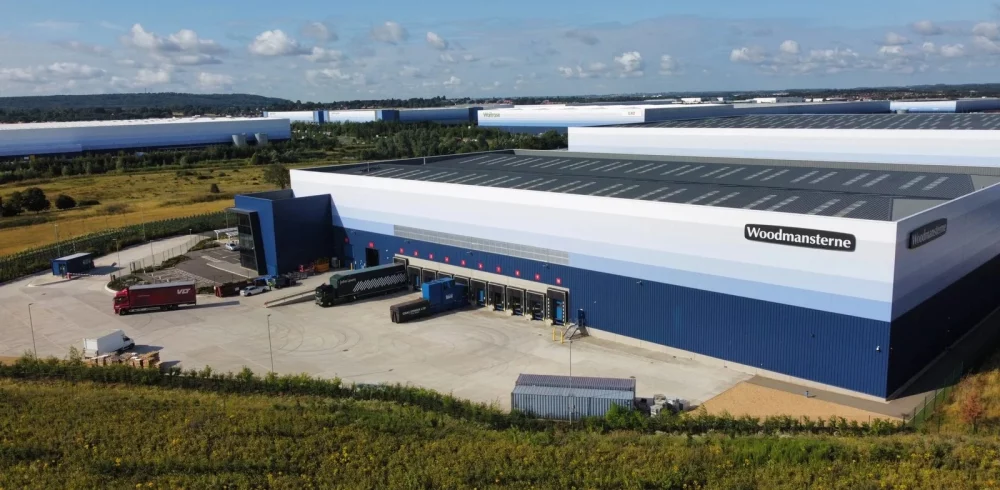
One business taking this proactive approach is Woodmansterne Publications, one of the UK’s leading greeting card manufacturers. Like many organisations with significant energy consumption, Woodmansterne understands that while global markets cannot be controlled, the strategy used to procure energy can have a significant impact on long-term costs and financial certainty.
Whilst wholesale prices have eased from the unprecedented highs experienced during the energy crisis, the market remains highly sensitive to a wide range of external factors, including:
- Conflict in the Middle East
- Wider geopolitical events
- Uncertainty surrounding global gas supplies
- Increasing competition for LNG cargoes
- Shipping disruptions
- Currency movements
- Changing government policies
Each has the potential to move wholesale energy markets with very little warning.
For organisations with significant energy consumption, these external factors cannot be controlled.
What can be controlled is how prepared your business is when markets change.
Managing Risk Rather Than Chasing the Lowest Price
Many organisations still approach energy procurement as something that only requires attention when a contract is approaching renewal.
In today’s market, this reactive approach can expose businesses to unnecessary volatility and increased financial risk. As a high-energy manufacturer, Woodmansterne Publications recognised the importance of taking a longer-term view of its energy strategy, focusing on reducing exposure to market fluctuations rather than simply securing the lowest available unit rate.
Effective energy procurement is about balancing commercial objectives with an organisation’s appetite for risk. Whether that means fixing contracts at the right time, purchasing energy in stages or adopting a more flexible buying strategy, successful procurement begins with understanding both the market and the needs of the business.
Control What You Can Control
Whilst no business can influence wholesale energy markets, there are many areas within an organisation that can significantly reduce overall energy costs and improve resilience.
Understanding how energy is consumed across operations is often the first step. Detailed energy analysis can identify unnecessary demand, operational inefficiencies and opportunities to reduce waste before investing in new technology.
Reviewing supplier invoices is equally important. Billing errors, incorrect contract rates and unnecessary charges can remain unnoticed for years without regular auditing, leaving businesses paying more than they should.
For many manufacturers, including Woodmansterne, meaningful savings also come from improving operational efficiency. Advantage Utilities have been awarded Consultancy Of The Year for Large Customers due to the work they have been doing to improve these points.
Ultimately, every unit of energy saved reduces exposure to future wholesale price increases. There are many products companies are not aware of, Advantage Utilities have advised P2P, Voltage Optimisation, Energy Tracking Software are just some of the areas that are not as well known and can have big impacts.
Procurement Should Be Ongoing, Not Reactive
Wholesale energy markets can move within days.
Businesses that actively monitor market conditions throughout the year are often in a much stronger position than those forced into decisions at contract renewal.
Regular market intelligence allows organisations to understand changing conditions, identify buying opportunities and make procurement decisions based on strategy rather than urgency.
This proactive approach provides greater confidence when budgeting and helps businesses avoid making decisions during periods of heightened market volatility.
Energy Security for the Future
Anyone expecting wholesale energy markets to return to the stability experienced a decade ago is likely to be disappointed.
Global energy markets have fundamentally changed. Political instability, continued investment in energy infrastructure, increasing electrification, growing international competition for natural gas and the UK’s transition towards Net Zero are all expected to create ongoing periods of uncertainty.
Rather than attempting to predict every market movement, resilient organisations focus on building strategies capable of withstanding volatility over the long term.
That means combining effective procurement, accurate billing, operational efficiency, informed budgeting and strategic planning into a single, joined-up energy strategy.
Why Businesses Are Turning to Strategic Energy Consultancies
Managing energy risk today requires far more than comparing supplier prices.
It requires independent advice, market intelligence and a clear understanding of the commercial challenges facing high-energy organisations.
Recognised as Energy Consultancy of the Year for Large Customers, Advantage Utilities has spent more than two decades helping UK organisations develop procurement strategies that reduce risk, improve cost certainty and identify long-term opportunities for efficiency.
Its independent approach combines whole-of-market procurement, bill validation, market intelligence, energy auditing and strategic consultancy, enabling organisations to make informed decisions in an increasingly unpredictable market.
For businesses like Woodmansterne Publications, the objective is not simply to buy energy more cheaply. It is to create a procurement strategy that supports operational resilience, protects future budgets and provides greater confidence in an uncertain market.
Preparing Before Markets Move
No consultancy can control geopolitical events or wholesale energy prices.
What businesses can control is how prepared they are before markets move.
The organisations best positioned to navigate future volatility are rarely those reacting after prices rise. They are the businesses that have already reviewed their procurement strategy, validated their energy bills, improved operational efficiency and understood where their greatest risks lie.
In today’s energy market, controlling what you can control has never been more important.
Working alongside Advantage Utilities, Woodmansterene has implemented a number of initiatives designed to improve energy resilience, reduce reliance on grid electricity and support its wider sustainability ambitions.
Key areas of support have included:
- Reducing demand on the grid and strengthening the company’s long-term energy resilience through onsite renewable generation.
- Supporting Woodmansterne’s wider sustainability strategy as it works towards B Corp accreditation.
- Installing onsite generation products across the manufacturing site to reduce reliance on grid electricity and lower exposure to wholesale market volatility.
- Developing a phased energy generation strategy, allowing renewable capacity to grow alongside the business and its changing energy requirements.
- Reviewing local, low cost, electricity procurement options to ensure energy supply contracts align with the company’s broader sustainability objectives.
- Completing full assessments including alternative options like wind turbine studies to explore additional opportunities for onsite renewable generation.
- Assessing EV charging solutions to support future transport requirements.
- Investigating battery storage opportunities to maximise the value of onsite generation, including storing excess electricity produced when the site is not in operation, such as during weekends.
For energy support for your manufacturing site, contact Advantage Utilities at www.advantageutilities.com/contact
Manufacturing & Engineering Magazine | The Home of Manufacturing Industry News