

Part 2: Supporting Defence Programmes Throughout the Product Lifecycle
By Ian Weston, Managing Director, Mark3D UK
Manufacturing for the defence sector rarely ends when production begins.
Military vehicles, aircraft, naval platform and specialist equipment often remain operational for decades, requiring continual maintenance, engineering updates and lifecycle support throughout their service lives.
For manufacturers, this creates a different challenge. Success is no longer defined solely by producing high-quality components. Increasingly, customers are looking for suppliers who can respond quickly to engineering changes, support legacy equipment and maintain efficient manufacturing throughout the product lifecycle.
Building that capability requires connected digital engineering workflows.
Connecting Digital Engineering
Modern engineering increasingly brings together 3D scanning, CAD, industrial additive manufacturing and digital inspection within a single workflow.
Rather than treating each activity independently, manufacturers can move efficiently from capturing an existing component through to manufacturing production tooling, validating results and supporting future engineering work.
The workflow is straightforward:
Scan – CAD – Manufacture – Inspect – Support
Each stage contributes to faster decision making, improved accuracy and greater manufacturing agility.
Supporting Traditional Manufacturing
Digital manufacturing should not be viewed as an alternative to conventional machining or fabrication.
Instead, it complements existing production by helping manufacturers produce tooling, fixtures, inspection equipment and engineering aids more efficiently.
Professional 3D scanning enables legacy components to be captured accurately.
Reverse engineering recreates editable CAD models.
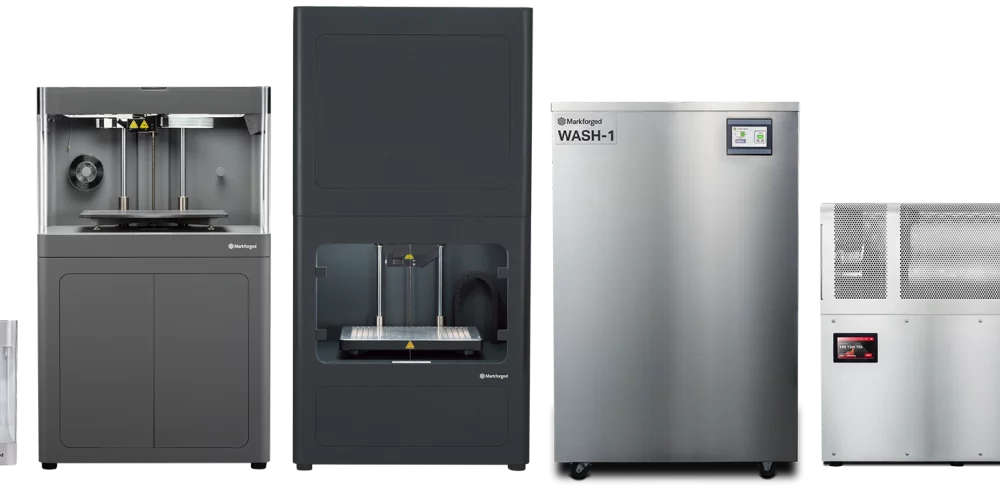
Industrial additive manufacturing accelerates the production of manufacturing tools.
Digital inspection validates finished components against CAD data.
Together, these technologies reduce bottlenecks while strengthening existing manufacturing processes.
Supporting Long-Term Defence Programmes
Many defence platforms remain operational for decades.
Throughout that time, manufacturers must respond to engineering changes, evolving customer requirements and ongoing maintenance activities.
Suppliers with connected digital workflows are better equipped to support these programmes by responding quickly, improving engineering collaboration and maintaining accurate digital records.
Rather than replacing traditional manufacturing, digital engineering provides additional capability that strengthens the entire production process.
As defence programmes continue to evolve, manufacturers that invest in connected digital engineering workflows will be well positioned to support customers throughout the full product lifecycle.
“The strongest defence suppliers are those that combine outstanding engineering with connected digital workflows that improve responsiveness, quality and long-term customer support.
Continue the Conversation
This article forms part of Mark3D’s Building Defence Manufacturing Capability Series.
To explore these opportunities in more detail, Mark3D is hosting a free webinar:
Winning and Delivering More Defence Work – practical digital engineering for defence suppliers
Or visit our Defence Manufacturing Experience Day to see how connected digital engineering workflows are helping UK manufacturers strengthen capability, reduce lead times and support defence programmes throughout the product lifecycle.
Manufacturing & Engineering Magazine | The Home of Manufacturing Industry News