


From zero-emission powertrains and vehicle automation to AI and smarter maintenance, Euro Bus Expo 2026 will showcase the engineering behind the sector’s biggest changes.
The shift underway across coach and bus is about far more than swapping diesel for electric. Vehicles are becoming more connected, while software is playing a bigger part in how fleets are run and maintained.
Engineers are also tackling new questions around energy, battery life, thermal management, automation and whole-life performance, all while keeping vehicles reliable and safe in daily service.
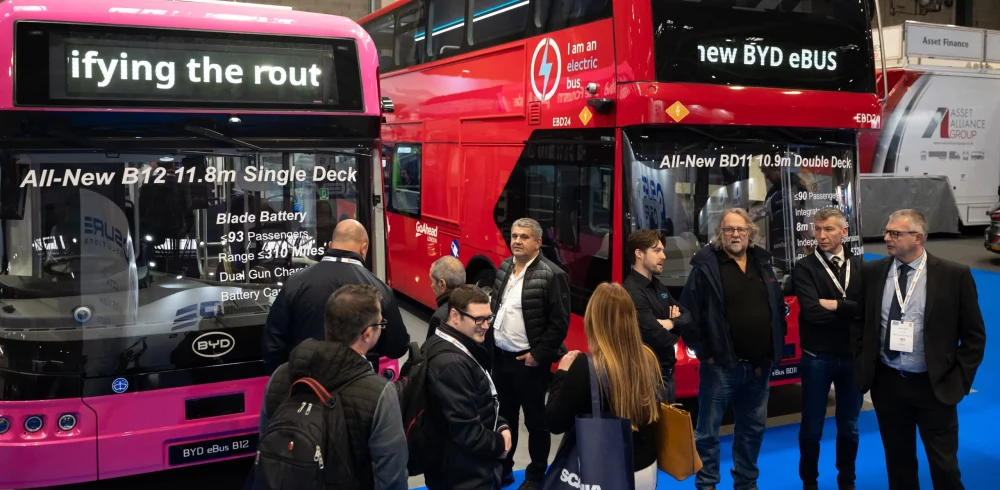
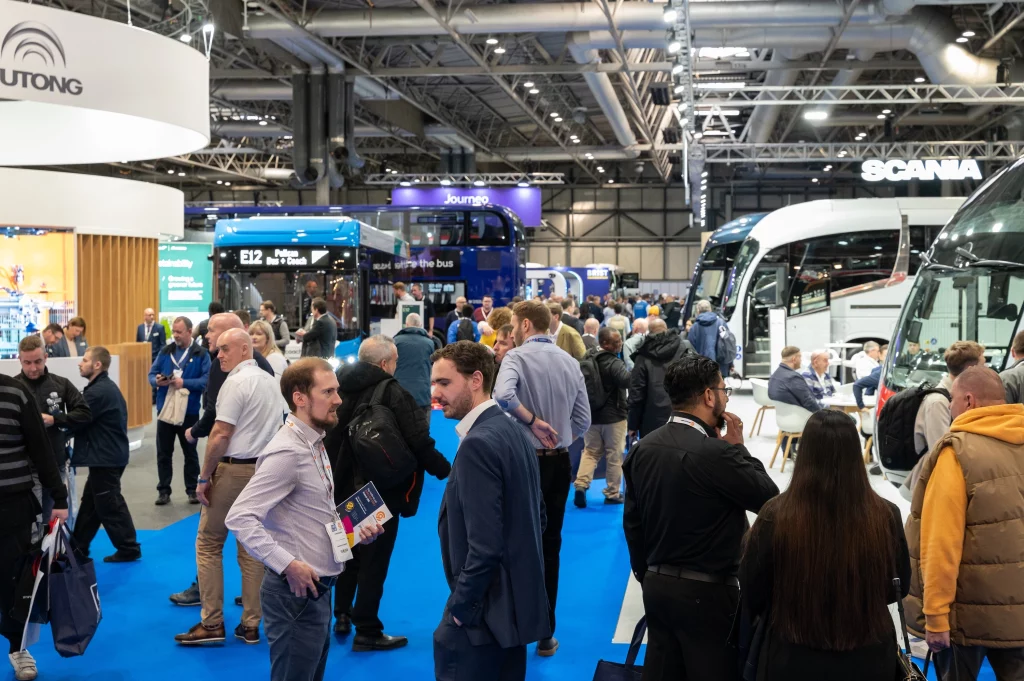
Much of the technology behind that transition will be under one roof when Euro Bus Expo returns to the NEC Birmingham. Taking place from 3–5 November, the show will bring together more than 200 exhibitors, including 49 exhibiting for the first time.
Around 75 buses, coaches, mini- and midi-vehicles will be on display from 30 vehicle exhibitors. Alongside them will be suppliers covering components, workshop equipment, engineering services, charging, batteries, telematics, passenger information, safety technology and software.
The finished vehicle is the most visible part of the sector, but it is only part of the story. Euro Bus Expo also brings together the engineering, systems and services needed to keep modern fleets moving.
Beyond the electric drivetrain
As zero-emission vehicles move from early adoption into established fleet operation, the engineering conversation is changing.
For many operators, the question is no longer whether electric vehicles can do the job. Attention is turning to how they perform efficiently over a full operating life, from battery condition, energy use and maintenance to the challenges of ageing vehicles and second-life operation.
Depot infrastructure and energy management are now central to that equation, with vehicle choice increasingly linked to charging capacity, grid connections and energy management.
These themes run through the exhibition and the 25-session Masterclass Theatre programme, sponsored by Elite Vehicle Supplies (part of Motormax Group). Seminars will cover second-life EVs, depot energy, hydrogen and preventative maintenance.
From vehicle engineering to connected systems
Digital technology is changing vehicles at the same time.
A panel on AI will examine how the technology is already being used across bus and coach operations. From passenger experience to network performance, the session will explore what is working now, the realities of implementation, and what comes next.
Automation will come under scrutiny too. The discussion will focus on what current automated bus trials have demonstrated – rather than distant visions of driverless transport, and what wider adoption could mean for operators.
Across the exhibition, engineering and software are increasingly working together in many forms, including in telematics, predictive maintenance, passenger information, fleet-management systems and other connected vehicle technologies.
Several roundtables will also focus directly on engineering challenges. Powering the Depot will cover grid connections, smart charging and total cost of ownership.
Running the Electric Fleet will focus on battery health, thermal management and in-house skills. Other sessions include Engineering and Maintenance, and a discussion examining where the case for hydrogen is strongest, alongside the realities of fuel supply, infrastructure, cost and vehicle availability.
Innovation in the details
Some of the most interesting developments will feature in Euro Bus Expo’s Innovation Challenge. The competition highlights products aimed at specific engineering and operational problems, and early entries show just how wide that field has become.
Masats’ AIDA – Artificial Intelligence Driven Access combines cameras, artificial vision and AI to identify passenger requirements. It can automate vehicle doors, ramps and acoustic signals, recognising, for example, when a wheelchair user or visually impaired passenger may need assistance.
Konvekta’s neXwork tackles thermal management with a connected CO₂ heat-pump system for electric buses. It combines cabin heating and cooling with temperature control for batteries and electronics. Ambient and waste heat can also be used to reduce energy consumption and battery load.
The changing skills requirement is represented too. LJ Create’s Electric Bus Panel Trainer lets technicians and students safely investigate a simulated electric bus electrical system and practise fault-finding, regenerative braking and onboard diagnostics.
Other entries bring AI into real-time fleet allocation, while one uses NFC technology to deliver digital school-transport ticketing without pupils needing smartphones.
Visitors will vote for their favourite entries over the first two days. Finalists will then pitch their products live on stage on day three.
For engineers, the value lies in seeing these technologies in the context of day-to-day operation, where new systems must work reliably across long operating hours and mixed fleet conditions.
Euro Bus Expo brings technology developers together with the operators and engineers who specify, maintain and use their products in service.
Euro Bus Expo takes place at the NEC Birmingham from 3–5 November 2026.
Entry is free for trade visitors. Register now at eurobusxpo.com.
Manufacturing & Engineering Magazine | The Home of Manufacturing Industry News