

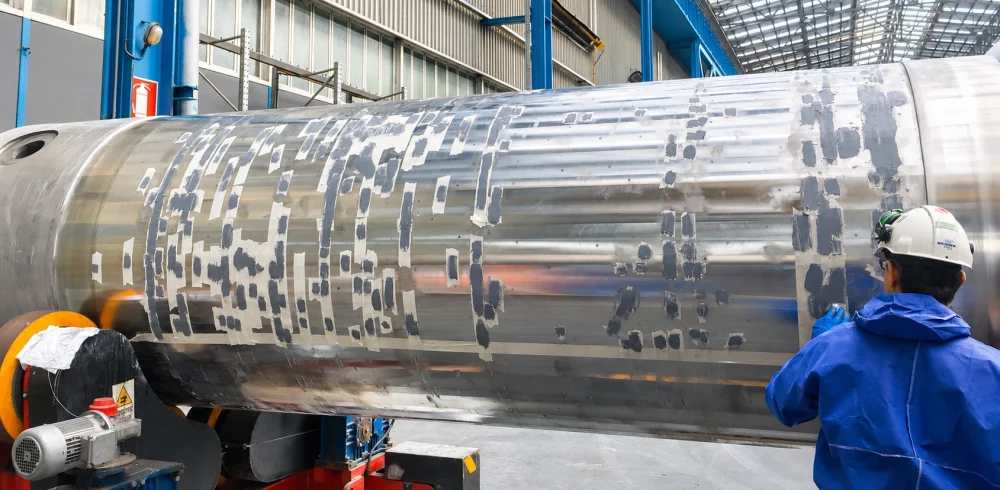
Artificial intelligence has become one of the defining technologies of our time. It is transforming industries, accelerating scientific discovery and reshaping economies. To support this burgeoning technology, polymeric repair composites and anti-corrosion coatings have an important role to play. They help to safeguard the critical nuclear infrastructure that provides the reliable, low-carbon electricity needed to power the AI revolution.
AI Is Driving an Unprecedented Increase in Electricity Demand
According to the International Energy Agency’s (IEA) Energy and AI report, as AI adoption accelerates, electricity demand from data centres is expected to more than double—from 415 TWh in 2024 to approximately 945 TWh by 2030. Meeting this unprecedented growth will require a significant expansion of reliable electricity generation.
Why Nuclear Power Generation Will Support Rising AI Electricity Demand
As electricity demand from AI continues to accelerate, attention is increasingly turning to how this demand can be met with reliable, low-carbon power. While wind and solar continue to expand rapidly, supporting energy-intensive AI infrastructure around the clock will require a diverse electricity mix.
According to 2025 data from the IEA, fossil fuels still generate over half of the world’s electricity, with coal accounting for 34%, oil 2% and natural gas 21%. However, low-carbon sources are becoming increasingly important. Renewables contribute 34% and nuclear contributes 9% of global electricity generation.
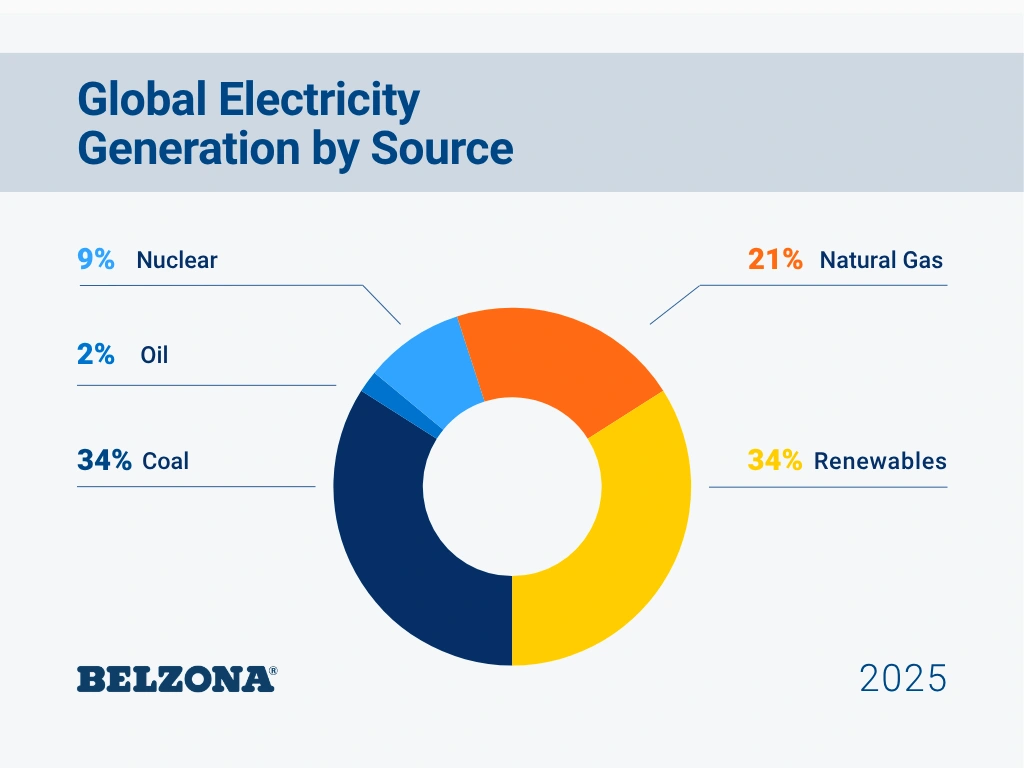
Nuclear generates more than 20% of the world’s low-carbon electricity, making it the second-largest source of low-carbon power globally (World Nuclear Association). The IEA expects nuclear to play an increasingly important role in meeting future electricity demand. It also identifies emerging technologies—including Small Modular Reactors (SMRs)—as an important part of the long-term solution.
This shift is already reflected in investment decisions across the technology sector. Companies including Amazon, Microsoft, Google and Meta have announced major agreements and investments related to nuclear energy, recognising the need for reliable, 24/7 low-carbon electricity to support the rapid growth of AI and data centres. These developments reinforce the view that, while renewable energy will remain central to the future electricity mix, nuclear power will play an increasingly important role in providing dependable baseload generation.
But while the industry looks towards the next generation of nuclear technology, one fact remains unavoidable—the reactors already operating today will continue to shoulder much of the world’s low-carbon electricity demand for decades to come.
Safeguarding Nuclear Assets with Repair Composites and Protective Coatings
Constructing new nuclear power stations requires enormous investment and lengthy planning, licensing and construction programmes. Extending the operational life of existing facilities, by comparison, can deliver substantial additional generating capacity far more quickly.
Many nuclear power plants around the world are already operating beyond their original design life thanks to comprehensive life extension programmes. As electricity demand accelerates, maximising the reliability and availability of these assets is becoming strategically important.
In this context, industrial polymeric repair composites and protective coatings have an increasingly important role to play, helping safeguard critical infrastructure, extend asset service life and support the long-term reliability of nuclear power stations. Ensuring that existing nuclear facilities continue operating safely and efficiently will therefore be just as important as developing the next generation of reactors.
Protecting Against Chemical Attack, Erosion and Corrosion Damage
Polymeric repair composites and protective coatings are engineered to perform in the demanding industrial environments found within nuclear power facilities operating Pressurised Water Reactors (PWR), Pressurised Heavy Water Reactors (PHWR) and Boiling Water Reactors (BWR). Applications are typically focused on balance-of-plant infrastructure, cooling systems, water treatment assets, pipework, civil structures and auxiliary equipment.
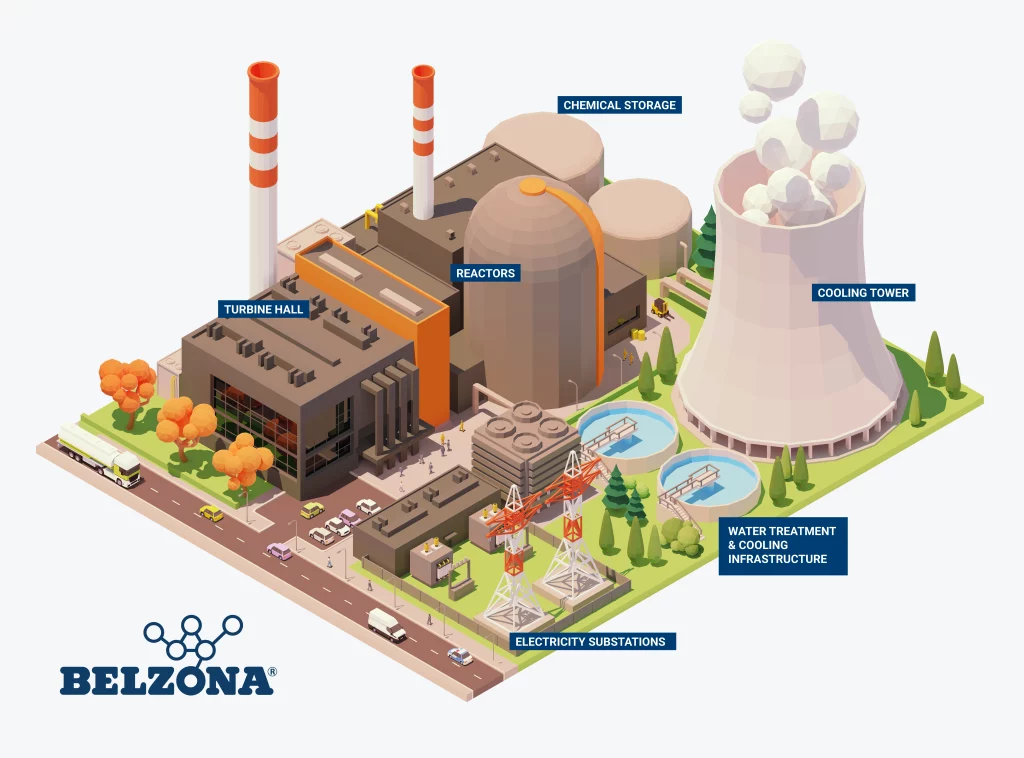
As cold-applied materials, they eliminate the need for hot work permits, improving safety and simplifying maintenance. Their ability to be applied in situ helps minimise downtime and disruption, while their long-term resistance to corrosion, erosion and chemical degradation enables them to protect critical assets in aggressive operating conditions. By extending the service life of equipment and reducing the frequency of repairs, these systems also support more sustainable power plant maintenance strategies.
Maintaining the Nuclear Fleet That Powers the AI Era
Much of the discussions surrounding nuclear energy understandably focus on future technologies including advanced reactors, SMRs and next-generation fuels. These innovations will undoubtedly shape the future. But they should not overshadow the importance of protecting the infrastructure already generating low-carbon electricity every day.
As AI accelerates electricity demand, the world’s existing nuclear fleet becomes increasingly valuable. Keeping these facilities operating safely, efficiently and reliably will require continued investment in practical engineering solutions that extend asset life, minimise downtime and preserve critical infrastructure.
For more information, please visit: www.Belzona.com
Manufacturing & Engineering Magazine | The Home of Manufacturing Industry News