


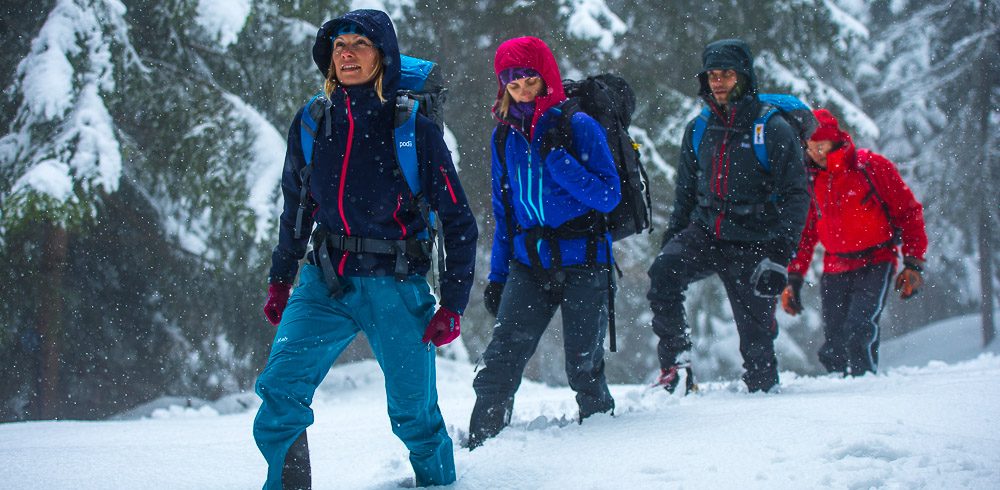
Across safety-critical industries, performance under pressure depends on more than technical skill alone. Bringing together psychology and mountaineering, we explore how Non-Technical Skills shape decisions when the stakes are high.
Across many safety-critical industries, Non-Technical Skills (NTS) are now well established as part of the safety conversation. Over the past decade, organisations have embedded these capabilities across a wide range of roles, recognising that safe and effective performance relies on more than technical competence alone.
Skills such as maintaining concentration, anticipating risk, communicating clearly and remaining composed under pressure play a vital role in day-to-day operations. Yet while the principles are well understood, how they play out in practice can vary.

For more than three decades, the Occupational Psychology Centre (OPC) has supported organisations in understanding the human capabilities that underpin safety-critical work. Building on this experience, the OPC continues to draw on insight from other high-risk environments to bring fresh perspective to performance under pressure.
To explore this idea, MEM spoke with Laura Hedley, Head of Consultancy and Talent Services and Occupational Psychologist at the OPC, and Squash Falconer, a record-breaking adventurer, mountaineer and expedition leader. Drawing on both psychological expertise and real-world expedition experience, they offer complementary perspectives on human performance in high-risk environments.
The Human Skills Behind Technical Performance
While many organisations invest heavily in developing technical competence, Laura Hedley explains that the human capabilities supporting that expertise are equally important.
Q: Non-Technical Skills are widely recognised in safety-critical industries. What role do these human skills play alongside technical competence?
Laura:
“Non-Technical Skills are the personal attributes and foundational behaviours that underpin how we develop and apply our technical skills. For example, these include mental skills such as sustained attention, as well as motivations like completing work to a high standard. When these are strong, it becomes easier to develop technical competence and deliver safe, effective performance.”
“As people, we are made up of our natural abilities, skills, personality traits and motivations. These influence our safety behaviour. When behaviours such as risk anticipation and thorough checking are strong, we are far more likely to carry out our technical roles safely and effectively.”
Q: In your experience working with safety-critical industries, what psychological challenges do people face when operating in high-risk environments?
Laura:
“A big challenge is self-awareness — understanding our own preferences, behaviours and ways of working.”
“If we understand our strengths and development areas, we can take steps to improve performance and reduce risk. As human beings, we are fallible and have the potential to make mistakes. But if we remain aware of that and understand how to manage it, we are in a much better position to maintain performance and stay safe.”
Pressure is another important factor shaping performance in safety-critical environments.
Q: Why can maintaining awareness and sound judgement become harder under pressure or in routine operational settings?
Laura:
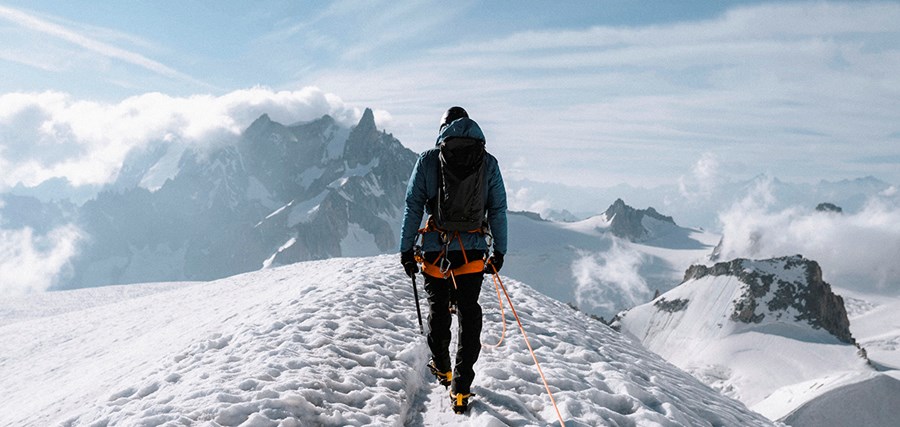
“We all have different levels of tolerance when it comes to managing pressure. Once we reach our limit, our ability to think clearly, communicate effectively and remember key details can start to fade — all of which are essential for sound operational decision-making.
“Even skills that come naturally can become more difficult when our capacity is stretched, increasing the risk of slipping into ‘tunnel vision’.”
“That’s why recognising how pressure affects us is so important. If we can spot those signs early, we can take steps to manage it, ensuring safety remains the priority.”
Drawing on extensive Post-Incident Assessment (PIA) experience, the OPC’s work has identified several Non-Technical Skills that frequently influence safety incidents, including risk anticipation, disciplined checking, working in “autopilot”, and managing pressure effectively.
Performance at the Edge
While these challenges are familiar in many safety-critical environments, they are equally present in high-altitude mountaineering.
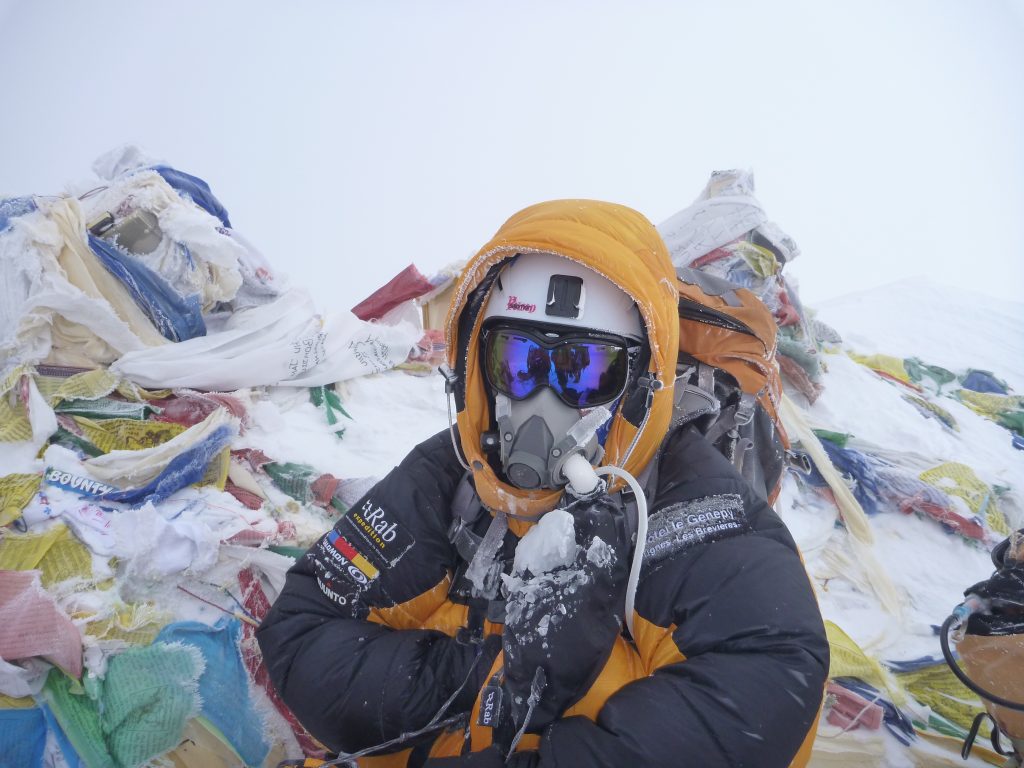
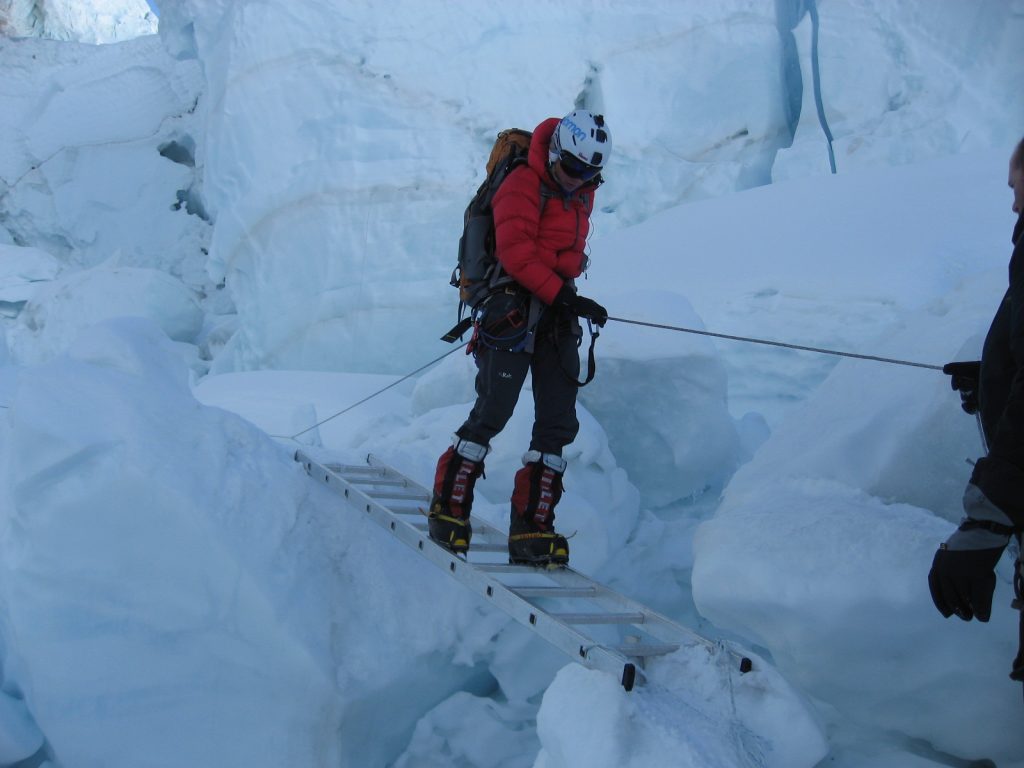
Squash Falconer is a record-breaking adventurer and expedition leader, with achievements including summiting Mount Everest and becoming the first British woman to climb and paraglide from Mont Blanc. Today she is a mountaineer, speaker and performance coach.
Q: Mountaineering often involves environments where conditions change quickly. How do Non-Technical Skills influence decision-making?
Squash:
“In the mountains, you rarely have the luxury of stable conditions. Weather can shift quickly,routes can become more hazardous, and decisions often need to be made before all the information is clear.”
“At first glance, mountaineering and high-risk operations might seem worlds apart. But the human challenges that shape performance are strikingly similar. You’re constantly reading what’s changing around you, anticipating what might happen next and staying structured in how you respond.”
“That’s where Non-Technical Skills really come into play. Awareness, anticipation, systematic thinking and composure help you make sense of the situation and act early — before a small issue turns into something much more serious.”
Those skills come into sharp focus in real moments on the mountain, where small signals can quickly shape big decisions.
Q: Can you share an example from your expeditions where awareness or judgement shaped the outcome?
Squash:
“On an expedition to Cho Oyu, we planned to push for a higher camp. As we climbed, the wind strengthened and cloud rolled in. Nothing dramatic had happened yet, but the signs were there.
“In environments where the margin for error is very small, good leaders respond to those early signals rather than waiting for a crisis. We chose to turn back early and reassess. Not the plan we’d set out with, but absolutely the right decision at the time.
“On another occasion, we pushed on despite bad weather. In hindsight, our judgement was clouded by how we were feeling, and we weren’t as aware of the conditions as we should have been.”
“We ended up stuck at high camp for ten days and ran out of food. We got down safely, but it was a powerful reminder that how you feel in the moment can influence your judgement.”
Mountaineering reinforces a simple truth: strong performance in high-risk environments relies not just on technical skill, but on awareness, adaptability and calm decision-making.
“In the mountains, the environment strips performance back to its essentials. Technical skill alone isn’t enough — awareness, judgement and staying calm under pressure are what really keep people safe.”
Q: When conditions change unexpectedly, what cues are you reading in the moment?
Squash:
“I’m constantly scanning the environment — snow stability, wind, weather, team spacing and how everyone is coping physically and mentally.
“Each of those cues helps me build a picture of what’s happening, updating it in real time so I can make decisions quickly and balance risk with opportunity.
“If you think about it in any high-risk environment, it’s not that different. You’re constantly aware of the moving parts — where people are, how tasks are progressing, and whether anything has changed that could affect safety.
“It’s the same process of staying aware and checking in — not assuming everything is fine just because nothing has gone wrong yet.
“You’re always asking yourself: what’s changed, what might happen next, and do we need to adjust what we’re doing?”
Q: Mountaineers often operate with incomplete information. How do you make decisions when the stakes are high?
Squash:
“You focus on what you do know, use experience to fill in the gaps and stay ready to adapt. You can’t wait for certainty — you have to stay calm, think systematically and remain alert to new information as it comes in.”
Shared Human Challenges
Despite differences in environment, the human factors shaping performance are remarkably similar.
Q: When you speak to professionals in safety-critical industries, what similarities do you notice?
Squash:
“Whether it’s a mountain, the rail network, or sectors such as automotive, aerospace or nuclear, people are operating in environments where conditions can change quickly, and mistakes can have serious consequences.
“In these settings, technical knowledge is essential, but it is often the human factors that shape the outcome — including overconfidence, tunnel vision, lapses in attention and maintaining composure when things don’t go to plan.”
Laura sees similar parallels from a psychological perspective.
Q: Where do you see the strongest parallels between high-risk environments and mountaineering?
Laura:
“Across any high-risk environment, a strong safety mindset underpins performance. The outcomes may be very different, but the behaviours required to achieve them are remarkably similar.”
“In both cases, it relies on strong safety behaviours and the self-awareness needed to manage risk effectively.”
A powerful way to improve performance is to look outside your own industry and learn how others manage risk.
Turning Insight into Practice
Recognising the importance of Non-Technical Skills is only the starting point. Like any capability, they develop through practice, reflection and real-world application.
Looking at familiar challenges through the lens of another high-risk environment can reveal new insights and patterns that might otherwise go unnoticed.
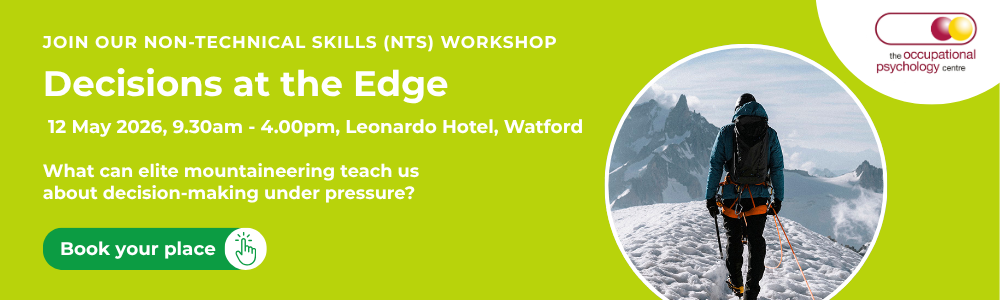
This thinking sits behind a new collaborative workshop developed by the OPC and Squash Falconer: Decisions at the Edge.
Q: How does the collaboration with Squash help bring these ideas to life?
Laura:
“The opportunity to work with Squash is incredibly exciting. When we first met, we were struck by how much overlap there was between her experiences and those of our clients.
“Her approach brings Non-Technical Skills to life in a vivid and practical way. Hearing her experiences helps people reflect on how similar principles apply within their own teams and organisations. It also brings a reality-check to how much these skills influence decisions in environments where the margin for error is minimal, and the consequences can be life-critical.”
Q: What do you hope delegates will take away from the new Decisions at the Edge workshop?
Squash:
“We hope people will leave with a deeper understanding of the skills that underpin safer performance. When these are brought to life through real experiences, it becomes much easier to connect them to day-to-day roles.
“If delegates can take even one or two practical ideas back into their teams and apply them, that’s where the real value sits.”
Laura adds:
“It’s about helping people better understand the psychology behind safer working behaviours — what influences them and how they can be applied more effectively in the workplace.
“Because the learning is experienced through the different lens of mountaineering, it becomes more memorable and tends to stay with people. It gives them something they can reflect on and apply well beyond the session itself.”
Final Reflection
In both safety-critical operations and mountaineering, people are required to make decisions in complex, changing conditions, often under pressure and sometimes with limited information.
Technical expertise is essential, but it is how that expertise is applied, through Non-Technical Skills such as awareness, judgement and the ability to anticipate and manage risk, that ultimately shapes outcomes.
These are not generic skills. They are specialist capabilities, developed through experience, reflection and practice, that enable individuals to perform consistently and safely when it matters most.
Bringing together Laura’s psychological expertise with Squash’s real-world experience offers a powerful way to explore these skills, combining understanding with lived application in high-stakes environments.
“Different high-risk environments may look very different on the surface, but the human challenges are remarkably similar.”
By developing these specialist human capabilities alongside technical expertise, and by learning from perspectives beyond our own environments, organisations can strengthen not only what people know, but how they think, respond and perform when conditions are at their most demanding.
Look out for further details on the Decisions at the Edge workshop to explore these ideas in practice.

Manufacturing & Engineering Magazine | The Home of Manufacturing Industry News