


A food factory rarely has the same team on the line two weeks running. Night shifts rotate, a new contract brings in extra agency staff, and someone who started as an operative last year is now running a shift. Each change is a point where food hygiene training can fall behind without anyone noticing, until an auditor asks to see the records.
I’m director of Event & Food Safety. We run online Level 2 and Level 3 food hygiene courses, and production managers often ask us how to keep training current when the team keeps changing.
Two duties in the law
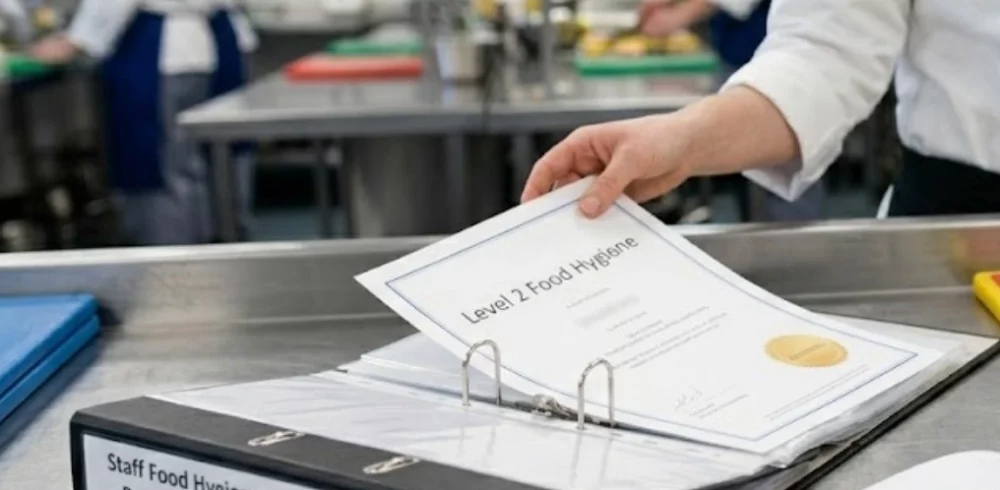
UK food hygiene law asks food businesses to make sure food handlers are supervised and instructed or trained in food hygiene in line with the work they do. Separately, the people responsible for running your HACCP-based procedures need adequate training in HACCP principles. The law doesn’t name a course, but a certificate in each person’s name is the easiest way to show the training happened.
Operatives, line leaders and QA
For operatives who handle open product, we would recommend Level 2. It covers contamination, temperature control, personal hygiene, cleaning and allergens, which are the habits that protect a line on every shift. It takes about three hours.
Shift leads, supervisors and QA staff are better suited to Level 3. It goes further into HACCP and food safety management, and covers training and monitoring staff and handling complaints and inspections. If you’re unsure where a role sits, our guide on which food hygiene certificate suits each role goes through it.

Agency starters and the first shift
Agency workers are usually the hardest group to cover, because they’re often booked at short notice. Online training helps here. Each person gets their own login by email, the course works on a phone, and the certificate is ready to download as soon as they pass. We would recommend sending the course out with the booking, so people arrive already trained and spend their first hour on your site induction instead.
The records an auditor asks for
Whether it’s an environmental health officer, a certification audit or a customer audit, the question is much the same. Who is trained, to what level, and when? With team places bought in one order, you can see who has finished and download every certificate from one account, which makes that question quick to answer.
Refreshers
Food hygiene certificates have no legal expiry date, but we recommend refreshing every three years, and sooner if a role changes. Our guide on how long a food hygiene certificate lasts covers renewal. A course teaches the principles, so pair it with a briefing on your own allergen controls and cleaning schedules, and keep a note of both.
Tom Watts is director of Event & Food Safety, which runs online Level 2 and Level 3 food hygiene courses and advises on food safety at UK events.
Manufacturing & Engineering Magazine | The Home of Manufacturing Industry News