


Charterhouse Holdings, the Derby-based manufacturer behind Xpres, Kustom Kit, Vanilla and Adkins, has announced plans to grow turnover from £25m to £100m within five years.
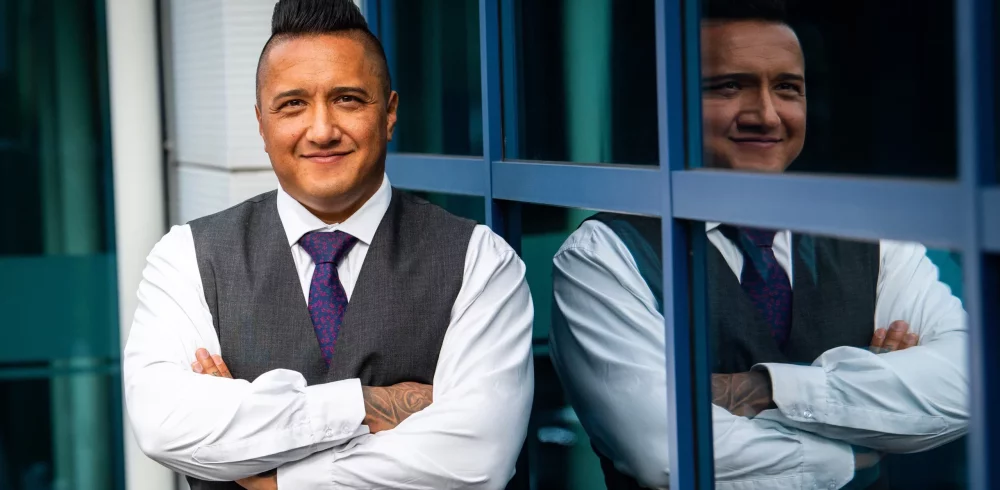
The target marks a new chapter for the 56 year-old business, coming under a year after the return of Luke Clayton as executive chairman to lead a root and branch review of the company.
A collaborative workshop with teams across the business has matched Mr Clayton’s expectation that Charterhouse Holdings’ turnover can more than treble in the coming five years, a growth plan built on efficiency, innovation and expansion into new markets.
Mr Clayton, who is son of the business’ founder Maurice, spent his first year back reviewing every part of the company, from how decisions are made on the shop floor to the company’s wider culture.
He now plans a period of significant investment and expansion, with a renewed focus on maximising the potential of the people who work there.
“This isn’t about growth for its own sake,” said Mr Clayton. “An ambitious target means more opportunity for everyone here – better pay, better careers, real progression.”
Growth is expected to come from a mix of new product areas, including robotics and drone technology, and an expanded role as a European reseller for major print and production equipment brands.
Meanwhile significant effort is being put into modernisation of systems, process, reporting and the way the business is structured and managed, with improvements in use of customer data and a more joined-up approach across the different elements of the business.
Charterhouse is also set to invest significantly in its 100,000 square foot site in Castle Donington near Derby, including a rebuild of its showroom and plans for a new ‘maker’ space housing laser engraving, 3D printing and sublimation equipment.
Mr Clayton expects headcount to grow from 90 to 120 and, eventually, to 150 over the same five-year period – a deliberately smaller proportional increase than the turnover target with technology, including artificial intelligence, expected to do some of the heavy lifting.
“A lot of that growth is going to come from efficiency, not just headcount, including how we use AI,” said Mr Clayton.
“We want to use technology to create more jobs, not to make people redundant. If it frees up a day of everyone’s time, imagine what we could do with that.”
Mr Clayton was clear that the most important human interaction elements of the business would not change. “We will always be a business which you can ring and talk to a real person,” he said.
“Personally, I’d never buy from a company that put me through to an AI phone agent, so we’ll never do that to our customers either.”
Maurice Clayton died in January 2015 and Luke stepped away from Charterhouse in 2017, before returning as chairman in November last year.
Prior to his departure, he worked across the business for more than a decade, including a period doubling the turnover of the company’s Xpres division.
Since his return, several former members of staff have asked to rejoin the company.
“It’s been about getting the fundamentals right – lots of small wins as well as big ones,” he said. “There’s huge potential for positive change across virtually every part of the business.”
Founded in 1970, Charterhouse Holdings has evolved from a traditional garment manufacturer into a specialist group operating across clothing, garment personalisation and the technology that makes it possible.
The business supplies everything from corporate, work and promotional clothing to the machinery, heat transfer technology and consumables used to personalise garments, promotional products and signage.
Manufacturing & Engineering Magazine | The Home of Manufacturing Industry News