


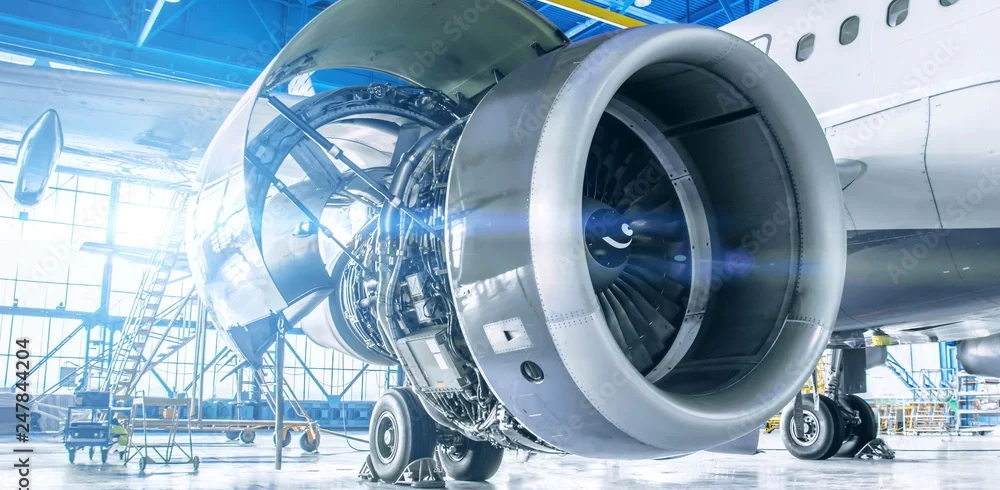
Aerospace manufacturers spend enormous effort controlling material chemistry, geometry, and dimensional tolerance. Yet a component does not enter service as a CAD model or machining programme. It enters service as a physical surface exposed to stress, friction, heat, corrosion, coatings, and repeated loading.
That makes finishing far more than the final stage of production. It is where design intent is converted into operational performance.
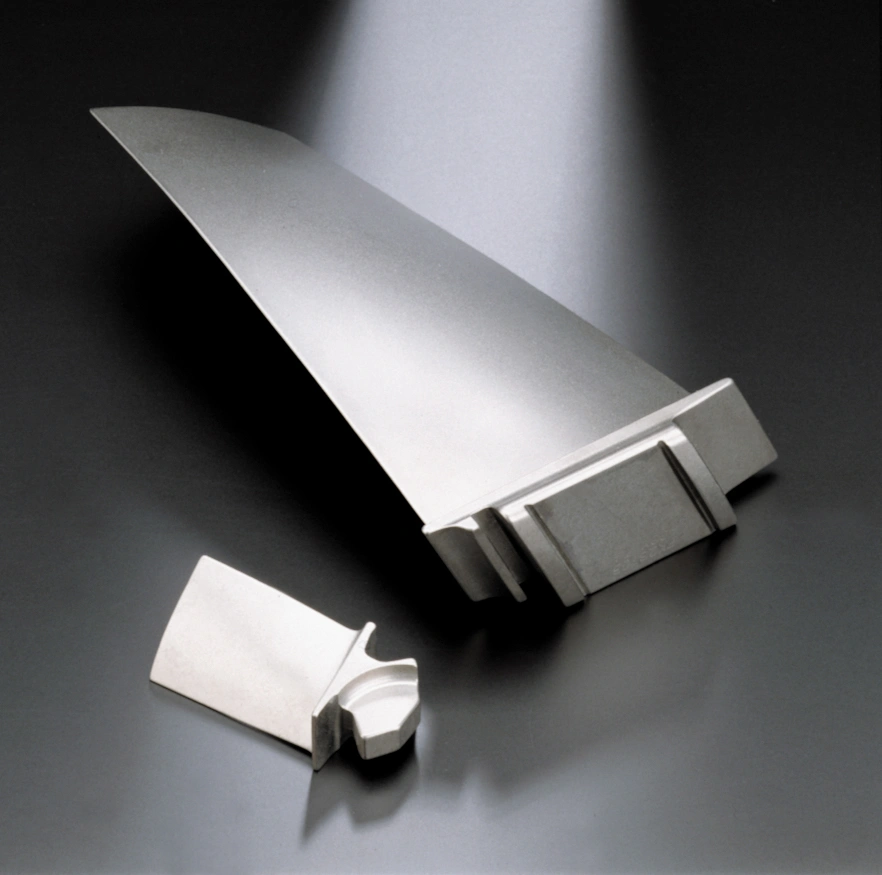
Across aero engines, landing gear, and airframe structures, mass finishing and shot blasting perform fundamentally different but complementary roles. Mass finishing can remove burrs, generate defined edge radii, smooth surfaces, and produce highly controlled polished finishes. For turbine blades, blisks, vane segments, bearing components, and transmission parts, these results can influence friction, wear, coating behaviour, and fatigue performance.
The challenge is not simply to make a component smoother. It is to remove precisely the right amount of material, in the right locations, without compromising critical geometry. Rösler technologies range from vibratory and high-energy disc systems to drag and surf-finishing equipment for high-value components that must be processed individually. Such systems allow delicate or complex workpieces to be treated without part-on-part contact, while tightly controlled movement and media interaction support repeatable results.
Shot blasting addresses a different set of aerospace requirements. It can clean, descale, structure surfaces, remove paint and specialist coatings, or prepare components for subsequent treatments. Through shot peening, it can also introduce compressive residual stress into the surface, improving resistance to fatigue and premature failure in components exposed to severe cyclic loads.
That distinction matters. A process that looks like “blasting” from the outside may be performing a tightly controlled engineering function on fan blades, turbine discs, drive shafts, landing-gear parts, or structural components. Media type, velocity, coverage, angle, flow rate, and exposure time all become part of the quality equation.
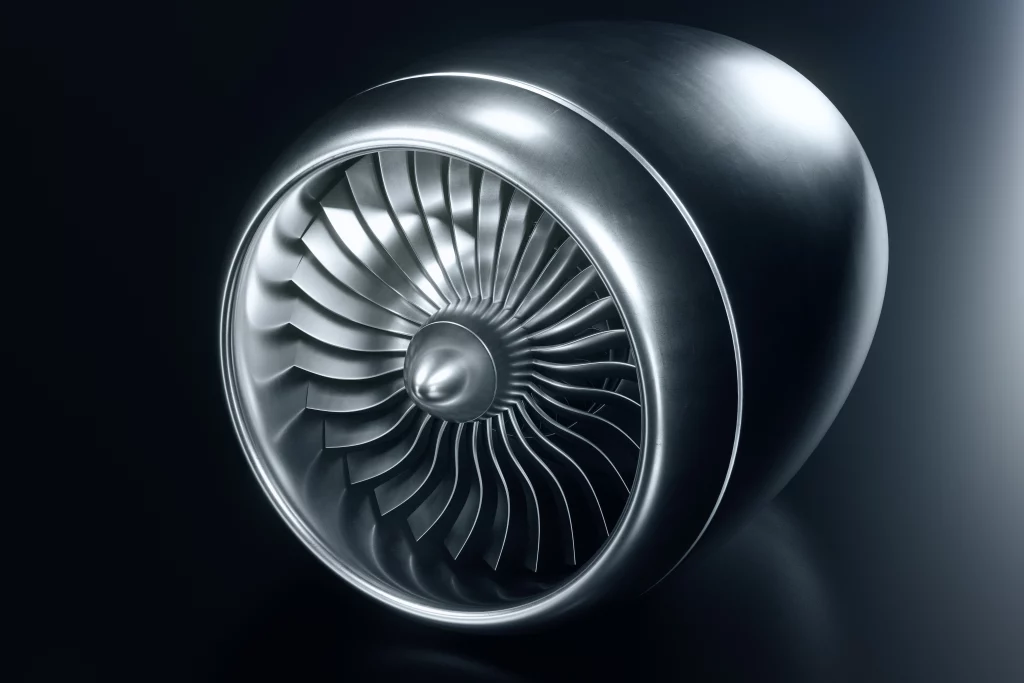
In aerospace, repeatability is not optional. Neither is traceability. Modern finishing therefore increasingly combines mechanical process expertise with PLC or CNC control, robotic handling, digital parameter management, and automated media monitoring.
The objective is not automation for its own sake. It is to ensure that the thousandth component receives the same controlled treatment as the first, while reducing operator dependency and making deviations visible before they become quality failures.
This is also why equipment alone is never the full answer. Surface-finishing outcomes are shaped by the interaction between machine design, media, compounds, blast material, fixturing, workpiece orientation, process water, and control strategy. Selecting these elements in isolation can produce technically acceptable equipment but an unstable production process.
Rösler approaches aerospace finishing as a complete process-engineering task. With more than 90 years of surface-finishing experience, an extensive equipment and consumables portfolio, application-development capabilities and Customer Experience Centres for trials and validation, the company can develop solutions around the component and required result, rather than forcing the application into a standard machine concept.
The same principle extends, almost inevitably, to the growing number of aerospace components produced additively. Under the AM Solutions brand, the Rösler Group applies its finishing heritage to processes such as depowdering, support removal, surface smoothing and polishing, recognising that a printed component, like a machined or forged one, is not finished merely because its primary manufacturing cycle has ended.
The aerospace sector does not need surfaces that simply look complete. It needs surfaces whose condition is understood, repeatable, and engineered for service. That is the real role of finishing, not merely to improve what the eye sees, but to protect what the aircraft must do.
Manufacturing & Engineering Magazine | The Home of Manufacturing Industry News