
Mercedes Revealed That They Will be Joining Formula E Championship
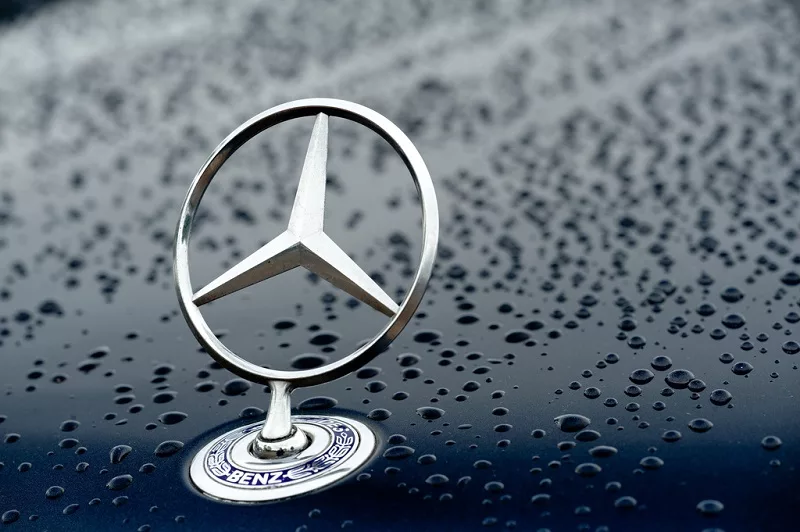
Well known car manufacturer, Mercedes has revealed that they will be joining Formula E championship. This racing car championship allows fully-electric racing cars to compete against each other and appears to be becoming quite popular with a number of different manufacturers. The German car manufacturer will be working towards entering the championships for the 2019.2020 season and at this point, Mercedes will be racing against other big names such as Audi, BMW, Jaguar, Renault and DS. As well as the more well known manufacturers there are also a number of other vehicle manufacturing companies that have chose to join the Formula E championship in order to speed up their electric car development process. Mercedes has also shown that the increased rate of development of electrical cars is also a driving force behind the business agreeing to enter Formula E. Mercedes has a development model which will see them selling fully-electric vehicles under the EQ technology branding. The first of these electric models was shown to the public as a preview earlier in the year, the EQ concept SUV. It has also been heard that the company will be showcasing a hatchback version of the concept cr at the 2017 Frankfurt Motor Show which will take place in September. The first production of the first EQ car is expected in 2019, which is the same year the company will start to compete in the all electric racing championships. Participating in Formula E should hopefully highlight Mercedesâ high performance vehicles. The participation of Mercedes in the racing championship will also add a more emotional spin on to the marketing of the electric vehicles. Alongside this news, Mercedes has also recently announced that they will be leaving the DTM, which is the main touring car championship in Germany. This departure will be taking place after the conclusion of the 2018 season. The manufacturer has said that their involvement onât have any impact on Meercedesâ Formula 1 team. Manufacturing & Engineering Magazine | The Home of Manufacturing Industry News
R&D Credited as Automotive Sector’s Route to Success
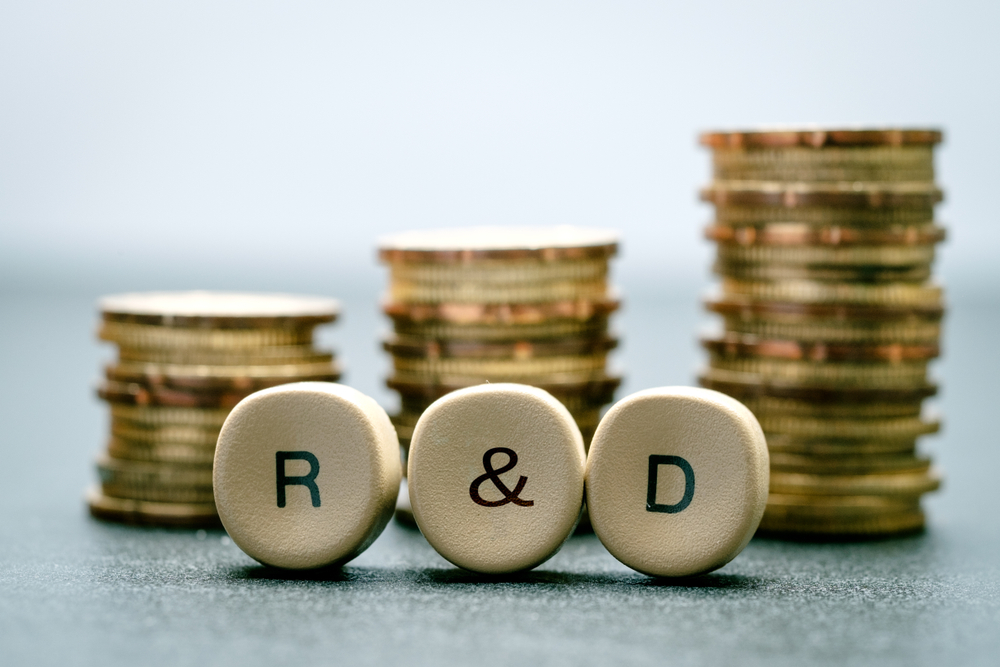
Putting money into R&D really pays off – at least thatâs the shared vision of the worldâs leaders in the automotive sector. Following the release of some of the biggest car manufacturersâ R&D spend figures, the automotive sector has cemented its position at the forefront of innovation. The importance of research and development (R&D) is well-documented. Businesses understand it to be a critical stage through which to develop new practices and products. From innovation comes the opportunity to further growth and continued viability. Despite being considered a valuable tool with which secure the future, R&D never fails to prompt discussions about input and output; whether, in financial terms, you ever really get back what you put in. Determining how much you ought to spend on R&D to get the best results, is quite the task though, if leading automotive manufacturers are anything to go, that figure is in the billions. Last year, international business expert, PwC, reported £78 billion was spent on R&D in the automotive industry and domestic car manufacturers racked up the biggest bills by far. Volkswagen led the pack, investing a huge £10.9bn in R&D. Following last yearâs emissions scandal, the manufacturer has renewed its commitment to fuel efficiency and green travel. Those ambitions will culminate in the release of the Mk7 Golf in 2018, a vehicle expected to be the most efficient available on the consumer market. Second and third place in the R&D stakes â Toyota and Mercedes respectively â barely came close to Volkswagenâs figure though still spent a hefty £6.6bn and £5.5bn each. GM and Ford complete the top five while Honda, BMW and Nissan also spent several billions on R&D apiece. Major tyre and parts manufacturers, including Continental and Aisin Seiki (a subsidiary of Toyota) also put up significant R&D figures, finalising the automotive industryâs hold on the sector. Although itâs hard to truly discern to value of R&D, reflecting on the automotive sectorâs continued success, it appears the pay-off of major investment is not to be overlooked. Itâs only as a result of regular and significant emphasis on innovation that customers are able to travel more easily and comfortably, and our shared carbon footprint is drastically reduced.