


Ikea To Start Selling Solar Panels But Are They The Sound Investment That The Retailer Promises?
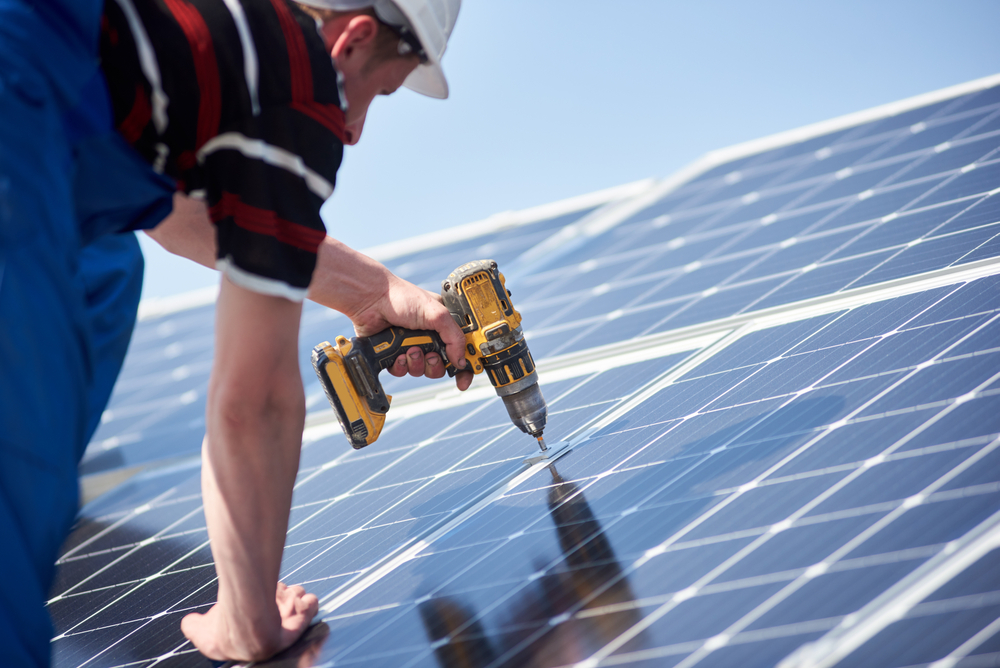
Swedish home retailer, Ikea, is to start selling solar photovoltaic panels at a number of its stores in preparation for a nationwide release of the product by the end of summer 2016. The firm suggests solar panels could be the best investment homeowners make for the long-term and could see electricity bills cut by as much as 50% in some areas. Glasgow, Birmingham and Lakeside will act as pilot for the retailerâs scheme of diversification with Manchester and Southampton following suit in early May and June respectively. In light of recent cuts to the feed-in tariff, there is some dispute over Ikeaâs claims that homeowners will effectively earn back what they pay out. Where previously homeowners enjoy a rate of 12.92p/unit for energy generation sold back to grid, January saw that rate slashed by almost two thirds to just 4.39p/unit. The return on investment for customers is thus far smaller and it takes much longer for solar panels to pay for themselves or, indeed, start making money. The average semi-detached house costs around £4,550 to be fitted with ten, 3.1kWp solar panels, the number typical for effective energy generation. Ikea has calculated it would take homeowners around 11 years to be reunited with that initial cash sum though they could, in the meantime, enjoy drastically reduced electricity bills.* Such a claim from the retailer stands in direct contradiction to the findings of consumer champion and product reviewing body, Which?; the organisation suggests that the initial investment figure is closer to £6,750. Doing the maths with a slightly larger annual electricity bill, Which? in turn, suggests that a photovoltaic system would not, in fact, pay for itself, until 24 years later. Moreover, it must be stressed that both schemes of solar investment are based on houses which are, in some respect, south-facing. For those without the benefit of year-round sunlight, the amount of generated electricity (and cash) could therefore be somewhat smaller. UK-based SolarCentury is the primary supplier on which Ikea will draw for its polycrystalline and monocrystalline panels. Despite the retailer working with estimated costs of £4,550 for its research (as stated previously) the panels will cost customers anywhere between £4,875 and £5,150 depending on specification. Prices include installation, Ikea family discount and a six year warranty. Whilst this isnât the first time Ikea has sold PV solar panels â from 2013 to 2015 it stocked Hanenergyâs thin-film solar panels â the Swedish home retailer will be looking for a more successful release this time around. And as utility bills continue to soar, customers may well be inclined to try the technology out and see the benefits for themselves, as it were.
Northern Powerhouse Dream Gets One Step Closer to Reality

Northern Powerhouse Dream Gets One Step Closer to Reality : In a digression from his usual party line on cutting down the national deficit, George Osborne has emerged to express his support for devolution plans which, if they go ahead, will give major Northerns cities greater control over housing, transport, planning and policing. In what is hoped to be the first stage of the “Northern Powerhouse” dream, the Chancellor of the Exchequer is set to back plans for a fast rail line between Leeds and Manchester in this weekâs budget. It was back in October that the ‘Northern Powerhouse’ plan was initially signed off though last weekâs comments were the first real sign of plans coming to fruition. Planned civil works have been drawn up by Transport for the North (TfN), the head of which, David Brown, said development was inevitable and necessary. The route between the two major cities is predicted to be at the top of Lord Adonisâ report for the National Infrastructure Commission. Commentators have suggested the report could well include recommendations of anything from full electrification to a whole new network. TfN has gone further, calling for a 30-mile tunnel to be built under the Pennines in order to link Sheffield and Manchester. The group has suggested the tunnel could slash journeys between the cities by some 30 minutes, as well as alleviating road congestion by providing a more convenient rail service. Five different outline plans have been submitted by the transport body and range from a door-to-door, city centre to centre city route, to one that winds around Manchester to the north-east of Sheffield. The investment has been calculated to represent a £56.6bn increase to size of the northern economy by 2040. It would also include a new fast track rail line, connecting the northern ends of High Speed 2 by 2033. A new 20-mile section linking Liverpool to HS2 would also be built while lines would be upgraded. The National Infrastructure Commission however is understood to be hesitant committing to what would be one of the longest underground routes in the world. The project is forecast to cost some £6bn. Adonis is understood to be concerned about the viability of other major projects such as Londonâs Crossrail 2 if the transport budget is spread elsewhere. Whether the north will ever receive the attention and joined-up treatment as the capital remains to be seen, but Osborneâs latest comments are surely a hopeful sign. Manufacturing & Engineering Magazine | The Home of Manufacturing Industry News