


General Motors Joins the Driverless Car Movement
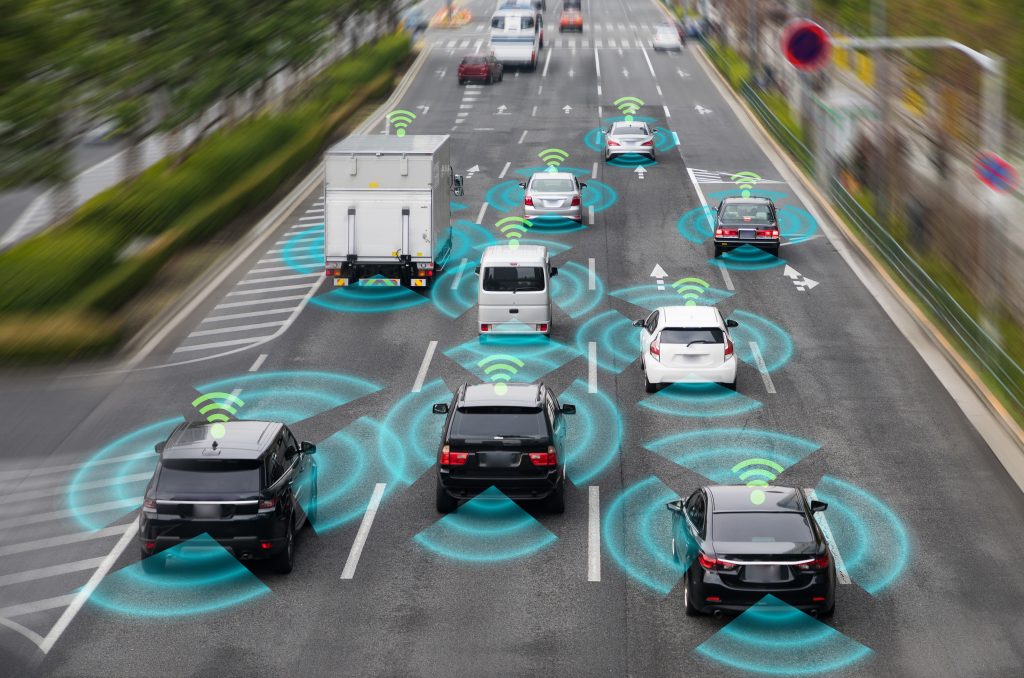
Multinational corporation and automotive sector leader, General Motors (GM) has announced that it has procured the San Francisco-based self-driving vehicle startup, Cruise Automation. With this latest acquisition, GM has pledged its commitment to the driverless car movement alongside fellow global giant, Google. Since its establishment in 2013, Cruise Automation has quickly become established in driverless technologies, and has developed and tested a number of products and methods over the last few years. The company will remain a separate arm within GMâs new, Autonomous Vehicle Development Team. The division, dedicated to the development of autonomous automotive technology, will continue to be led by Doug Parks. Dan Ammann is hopeful for the future of driverless cars, suggesting that fully autonomous vehicles would deliver greater convenience, lower cost and improved safety to customers. Founder of Cruise Automation, Kyle Vogt, shared a similar vision of improved safety and mobility, describing the partnership as a ground-breaking and necessary step toward rapidly commercialising autonomous vehicle technology. Alongside the acquisition of the software expert, GM is expected to make a flurry of investments geared toward realising fully driverless vehicles in the near future. That will include placing significant emphasis on staff training and research, as well as plant and production facilities. This latest partnership follows a long line of collaborations for GM since that start of 2016. After purchasing ride-sharing company, Lyft, GM formed Maven, a personal mobility brand with its own dedicated to car-sharing fleet. Indeed, the company has a long history of high profile acquisitions and partnership, in many respects, using others to feather its core interest in research and development. GM has been at the front of innovation in the automotive sector and was the first to release an all-electric automobile and has continued to be a leader in flexible fuel vehicles. No doubt, the company will be hoping for much the same success with this latest venture.
R&D Credited as Automotive Sector’s Route to Success
Putting money into R&D really pays off – at least thatâs the shared vision of the worldâs leaders in the automotive sector. Following the release of some of the biggest car manufacturersâ R&D spend figures, the automotive sector has cemented its position at the forefront of innovation. The importance of research and development (R&D) is well-documented. Businesses understand it to be a critical stage through which to develop new practices and products. From innovation comes the opportunity to further growth and continued viability. Despite being considered a valuable tool with which secure the future, R&D never fails to prompt discussions about input and output; whether, in financial terms, you ever really get back what you put in. Determining how much you ought to spend on R&D to get the best results, is quite the task though, if leading automotive manufacturers are anything to go, that figure is in the billions. Last year, international business expert, PwC, reported £78 billion was spent on R&D in the automotive industry and domestic car manufacturers racked up the biggest bills by far. Volkswagen led the pack, investing a huge £10.9bn in R&D. Following last yearâs emissions scandal, the manufacturer has renewed its commitment to fuel efficiency and green travel. Those ambitions will culminate in the release of the Mk7 Golf in 2018, a vehicle expected to be the most efficient available on the consumer market. Second and third place in the R&D stakes â Toyota and Mercedes respectively â barely came close to Volkswagenâs figure though still spent a hefty £6.6bn and £5.5bn each. GM and Ford complete the top five while Honda, BMW and Nissan also spent several billions on R&D apiece. Major tyre and parts manufacturers, including Continental and Aisin Seiki (a subsidiary of Toyota) also put up significant R&D figures, finalising the automotive industryâs hold on the sector. Although itâs hard to truly discern to value of R&D, reflecting on the automotive sectorâs continued success, it appears the pay-off of major investment is not to be overlooked. Itâs only as a result of regular and significant emphasis on innovation that customers are able to travel more easily and comfortably, and our shared carbon footprint is drastically reduced.