


General Motors Promises 100% Renewable Energy Sources by 2050

Motor manufacturing giant General Motors has promised to source 100% of its power from renewable energy sources throughout all of its global operations by 2050. The car manufacturer said it plans to source clean power from all its 350 operations across 59 countries to help it meet its internal climate goals. General Motors will also join the global RE100 scheme, which has so far seen 70 businesses from around the world commit to sourcing all of their power from renewable energy sources. The new renewable energy commitment will build on General Motorsâ previous goal to expand its renewable energy capacity to 125MW by 2020, a target that the company hopes to exceed when two new wind projects come online later in the year to help power four manufacturing operations. GM Chairman and CEO Mary Barra commented: “Establishing a 100 per cent renewable energy goal helps us better serve society by reducing environmental impact. “This pursuit of renewable energy benefits our customers and communities through cleaner air while strengthening our business through lower and more stable energy costs.” General Motors stated that it currently saves around $5 million each year in energy costs through the use of renewable energy sources. The firm expects this figure to rise as more projects come online and the supply of renewable energy increases. Earlier in the week, General Motors also unveiled its first mass market all electric car, the Chevy Bolt, which can drive for 238 miles on a fully charged battery. That would mean the vehicle having a longer range than the highly anticipated Tesla Model 3 electric vehicle, which will be able to travel 215 miles on a single charge. General Motors said that the renewable energy pledge, along with its pursuit of electric vehicles and more efficient manufacturing, was part of the company’s “overall approach to strengthening its business, improving communities and addressing climate change”.
General Motors Joins the Driverless Car Movement
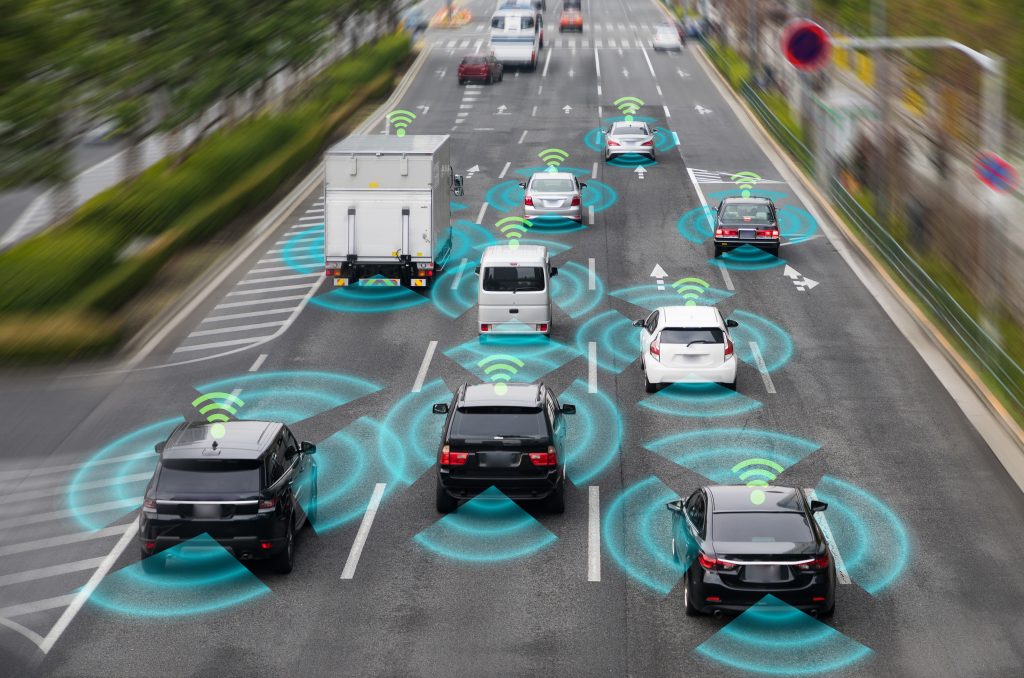
Multinational corporation and automotive sector leader, General Motors (GM) has announced that it has procured the San Francisco-based self-driving vehicle startup, Cruise Automation. With this latest acquisition, GM has pledged its commitment to the driverless car movement alongside fellow global giant, Google. Since its establishment in 2013, Cruise Automation has quickly become established in driverless technologies, and has developed and tested a number of products and methods over the last few years. The company will remain a separate arm within GMâs new, Autonomous Vehicle Development Team. The division, dedicated to the development of autonomous automotive technology, will continue to be led by Doug Parks. Dan Ammann is hopeful for the future of driverless cars, suggesting that fully autonomous vehicles would deliver greater convenience, lower cost and improved safety to customers. Founder of Cruise Automation, Kyle Vogt, shared a similar vision of improved safety and mobility, describing the partnership as a ground-breaking and necessary step toward rapidly commercialising autonomous vehicle technology. Alongside the acquisition of the software expert, GM is expected to make a flurry of investments geared toward realising fully driverless vehicles in the near future. That will include placing significant emphasis on staff training and research, as well as plant and production facilities. This latest partnership follows a long line of collaborations for GM since that start of 2016. After purchasing ride-sharing company, Lyft, GM formed Maven, a personal mobility brand with its own dedicated to car-sharing fleet. Indeed, the company has a long history of high profile acquisitions and partnership, in many respects, using others to feather its core interest in research and development. GM has been at the front of innovation in the automotive sector and was the first to release an all-electric automobile and has continued to be a leader in flexible fuel vehicles. No doubt, the company will be hoping for much the same success with this latest venture.