

Brexit – Ways Manufacturing Companies are Continuing to Grow
Brexit – Ways Manufacturing Companies are Continuing to Grow : As the results were read out on June 24th, a buzz of uncertainty spread around those managing manufacturing companies and how the decision to leave the EU would impact business. Would the changes make a significant impact on import tax paid for products, would foreign workers leave and cause an employment issue? No one knew for sure. However, fast forward ten months and the situation isnât as bleak as many may have initially anticipated. In fact, factory outputs increased by 0.6 per cent in September 2016 â a significant amount more than the 0.4 per cent economists predicted after the Brexit announcement. However, some industries have seen a lapse in growth; oil and gas specifically where output dropped by 3.8 per cent. A third of the UKâs manufacturing firms are reportedly considering leaving the UK amid uncertainty in the market and the value of the pound. Article 50 has, of course, not been triggered yet but the growth we have so far been witnessing in the industry could lapse once this goes ahead and specifics are outlined by Theresa May and the Tory government. These companies are planning the move to countries such as China and India, where labour and land is cheaper and they can greatly benefit from doing business there. Until that time, it still remains that manufacturing companies are seeing growth. Instead of packing up and leaving perhaps the decision should be made to see how Brexit will play out first to ensure the UK economy does not stagnate or see an impact by a mass exodus. The cost of moving location could impact a business more financially than remaining in the UK. But still, only 20 per cent of businesses believe that Brexit is something to be optimistic about. For now, the small amount of growth still taking place in the manufacturing industry is proving lucrative for suppliers for factories and warehouses. After all, as long as factories remain open, equipment will still be required, high quality protective gloves like these from Brosch Direct and PPE are still necessary and the British companies that depend on the manufacturing industry are not being affected. Should the Brexit plans go sour, this will have a ripple effect across a huge number of industries not just manufacturing. Manufacturing companies are growing as the demand for British exports increases, by 8 per cent in October 2016. This means the need for more staff, more products and space, increasing businessâs presence and the manufacturing industry itself. Itâs important that recruitment is also sorted now. If foreign workers decide to leave Britain once Brexit is implemented and they discover that the benefits of living in the UK are revoked, manufacturing businesses need UK workers to fill roles. We should enjoy this period of growth before the uncertainty ahead. Until Article 50 is in place we cannot determine how leaving the EU will affect major manufacturing companies in the UK. Manufacturing & Engineering Magazine | The Home of Manufacturing Industry News
What Does A ‘Hard’ Brexit Mean for UK Manufacturing?
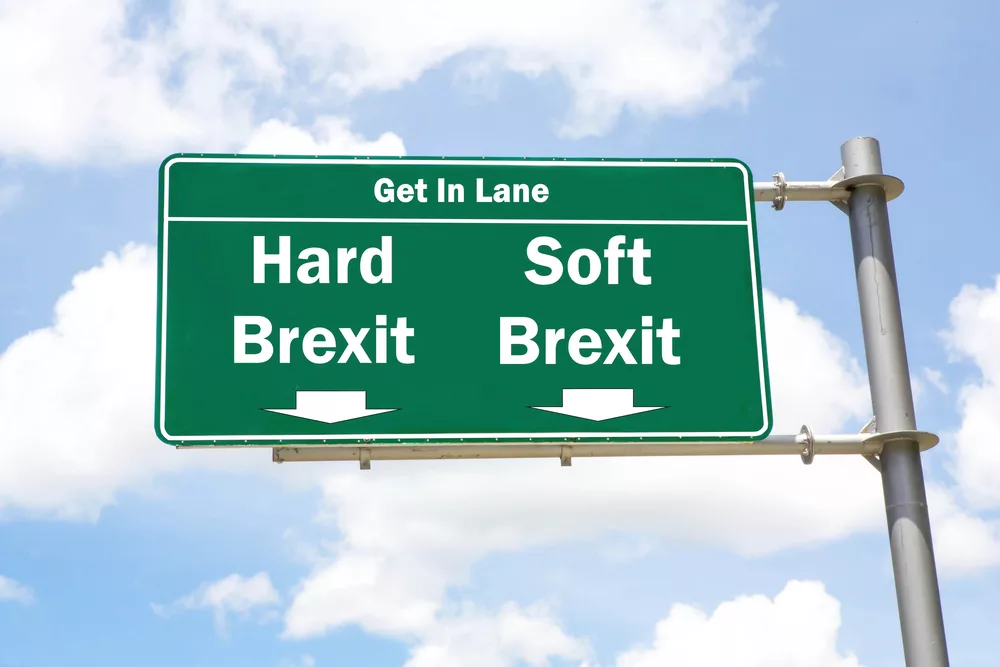
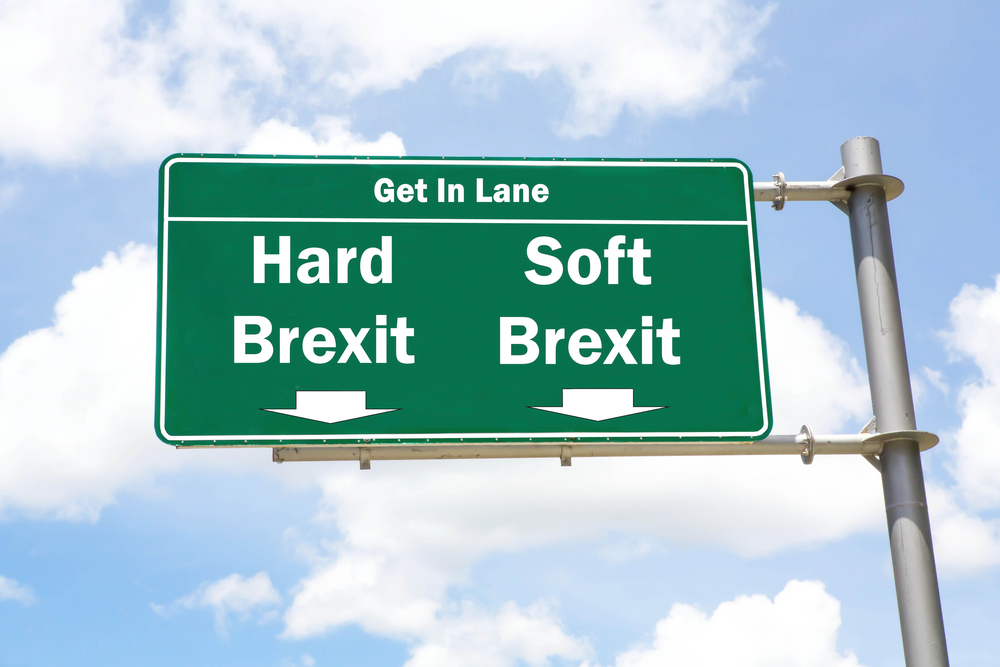
Brexit means Brexit and, following the Prime Ministerâs speech in late January where she set out what this will entail, Brexit means a âhardâ Brexit. While the Supreme Court has now ruled that Westminster will need to approve the Governmentâs Brexit plans, the intention of leaving the Single Market could have direct implications for the UK Manufacturing sector, especially those companies which currently export to other EU markets. UK manufacturing is currently robust, with the sector ranked 11th in the world, responsible for 54 per cent of Britainâs exports and 2.6 million jobs. Following the referendum weâve seen a significant fall in the Pound against key currencies like the Euro and US Dollar which has played havoc with the markets. The British manufacturing sector has, however, dealt with this fallout amid waves of growth speculation and revised forecasts, not to mention this new found weakness in the currency. The sector performed well in the second half of 2016, with a number of indicators showing growth across many aspects of UK manufacturing. While this has been positive news, UK economic growth in 2017 is expected to slow. The manufacturersâ organisation EEF has stated that only 23 per cent suggesting that opportunities will outstrip risks. The Poundâs exchange rate has been deemed largely responsible for the upswing in manufacturing as overseas buyers take advantage of the weaker currency, but itâs brought with it another problem â cost. Manufacturers have voiced concerns about Brexit talks dragging the pound down further and prolonging a period of profit pressure as import prices increase. Following the Brexit vote, the Confederation of British Industry (CBI) noted that although the weaker exchange rate may have boosted overseas purchases, domestic orders had been dented. Likewise, as Sterling begins to eventually ramp up import costs and businesses have their profit margins squeezed, consumers are likely to witness price increases which could potentially cause a decline in domestic spend. Looking forward, the prospect of a âhardâ Brexit creates some exciting opportunities as well as real threats for UK manufacturing. In the longer term, if the UK Government is successful in securing structured trade deals with key countries outside the EU, British manufacturing businesses could thrive in a new and favourable global trading landscape. This optimistic view is supported by some positive developments with plans to launch some high-end designed products including specialty bicycles in the UK and the commitment from companies such as Rolls-Royce to continue their manufacturing in the UK. Indeed, While the potential of securing positive trade deals outside the EU could provide some great opportunities for the sector, the concern is that if this process is dragged out it could affect confidence and lead to UK manufacturers moving operations overseas. These global trade negotiations will be especially critical for the automotive manufacturing industry as the UK exports over 1.2 million cars every year and half of those make their way to the EU. Although the weak Pound may be contributing towards an upswing in UK-based car manufacturing now, some industry experts are concerned that investments in the latest technical advances such as autonomous and electric vehicles may be impacted post Brexit. As we enter 2017, thereâs likely to be a lot of currency fluctuations as markets adjust to new developments. It is therefore vital that exporting manufacturing businesses in Britain put in place a strategy to mitigate this uncertainty and the possible impact on revenues. The trade deals with the EU are likely to cause an elevated level of volatility with the Pound as it will determine the price of manufactured products for British people, and also impact on the profit margins of businesses. Manufacturing has stood strong in the face of Brexit but the negotiations which will follow the triggering of Article 50 could very likely bring more uncertainty. While the sector could see some short term benefit, especially through further fluctuations in the Pound, its longer term prospects will be determined by the success of Government negotiations with both the EU and other potential global trading partners. Greg Smith, Head of Trading at foreign exchange specialists Global Reach Partners Manufacturing & Engineering Magazine | The Home of Manufacturing Industry News
Japan Urges UK To Reconsider Brexit
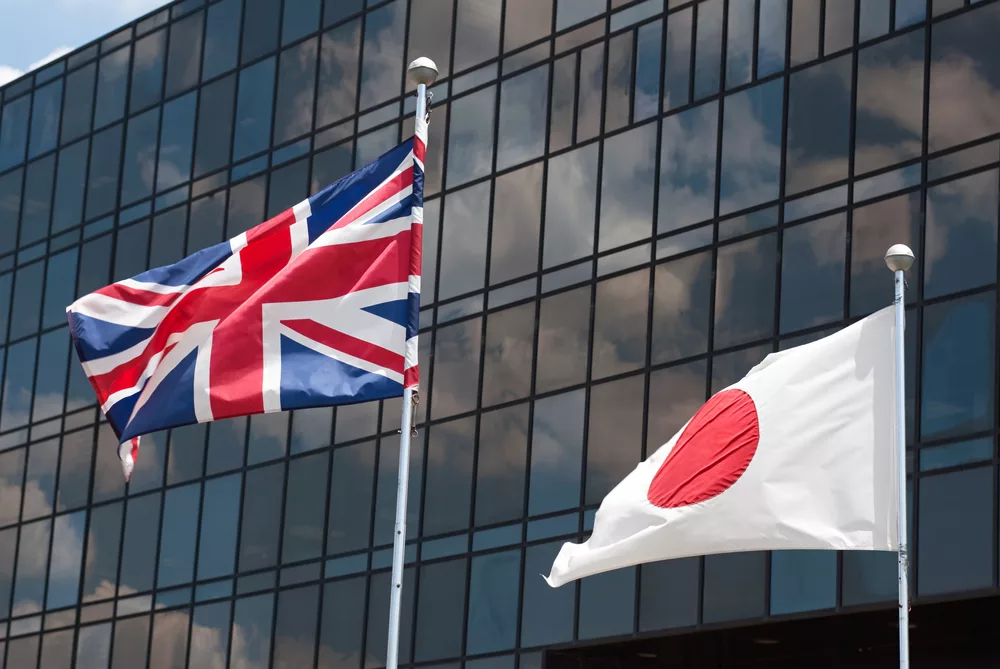
Japan Urges UK To Reconsider Brexit : At a time when the UK manufacturing sector remains somewhat ambivalent about the nationâs membership within the EU, a top executive from big-name Japanese automotive manufacturer, Hitachi, has urged businesses to recognise the value of such a lucrative membership body. Commenting on the Brexit debate currently sweeping not just the nation but the globe, Hiroaki Nakanishi, CEO of Hitachi, has described even the contemplation of Britain leaving the EU as both troubling and hard to understand. He points out that the EU is the worldâs largest trading bloc, adding that Brexit would do nothing to allay anxieties over global solidarity in the face of terrorism and financial insecurity. Asking, What gain could possibly compensate for these risks to the UK itself?, as Nakanishi does, is undoubtedly a question around which discussions in parliament continue to centre; as media representations have demonstrated, providing a clear-cut break-down of the advantages and disadvantages of Brexit is all but impossible. The inherently tough decision is only made harder by political parties and, indeed, politiciansâ own agendas as they attempt to align with the views of the Great British public. To have a more independent voice, one which is marred by neither the politics nor the increasingly fragmented national identity of the UK, so confident in his views against Brexit is therefore significant. And those views, Nakanishi points out, are shared amongst the majority of Japanese business leaders. Japanese business leaders in Britain share the same concerns, as they consider what such an exit from the EU would mean in the long term, he says, Not just for our investments but for the place of the UK in the world, and the importance of its markets, including London, in the eyes of global business operators. Indeed, Nakanishi is not the first big name from Japan to express uncertainty toward a vote to leave the EU. During a tour of Europe and Russia earlier this month ahead of the G7 summit, Japanese Prime Minister Shinzo Abe warned PM David Cameron that it would almost certainly deter Japanese investors. His comments come after it was revealed that EU trade regulations, by which Britain is currently subject and on which the exports/imports industry relies, would be difficult to uphold should the UK separate itself. Moreover, the development a new, UK standard would not only be incredibly time-consuming and costly to produce but would also be an additional for hurdle which overseas investors and importers would have to jump prior to even tendering. And thatâs without considering the implications for UK exports. 140,000 permanent employment roles in the UK are currently held by Japanese companies. Hitachi is but one; the leading automotive manufacturer is currently working on new rail and nuclear power projects in the UK â its two largest infrastructure projects overseas. The selection of the UK for those projects was directly motivated by the nationâs membership within the EU and, furthermore, the UKâs central position within the EU market. That centrality is not just concerned with the ease of acquisition when it comes to specialist component parts and suppliers, but also skills and knowledge more broadly. Thinking retrospectively, Nakanishi insists, Take away its EU membership, and the investment case looks very different. Despite all his commendations for the EU, Hitachiâs CEO admits that the body is not perfect; however, he suggests that Britainâs withdrawal would only weaken its potency further and prevent the EU from consolidating its strengths. And, on the matter of just what the UK adds to the EU that no other country can, Nakanishi emphasises the key role which Britain has played in making the EU market both more transparent and more open through key democratic insight. For Nakanishi and Japanese investors alike, an EU without the UK is rather a different proposition and, likewise, a UK without the EU would warrant some hesitancy. As the worldâs third largest economy, Japan represents investment opportunities to the UK â on both an import and export basis. And whilst it will ultimately be the British public who decide whether to stay or leave the EU, one can reasonably expect Japanâs insight to inform the decisions of the manufacturing body politic nationwide. Manufacturing & Engineering Magazine | The Home of Manufacturing Industry News
Brexit Could Topple Industry, Warn UK Pharmaceuticals Companies
UK pharmaceuticals businesses are the latest to express their concern over a yes vote to leaving the European Union. Some of the top executives and trade associations supporting the industry have insisted that Brexit would be to disrupt cross-pollination between countries and threaten existing measures of regulation. The European Federation of Pharmaceutical Industries and Associations (EFPIA) this week asserted that to stay in the UK was in the best interests of research and development for international sciences. As the leading body for many of the UKâs biggest pharmaceutical manufacturers and suppliers, EFPIAâs comments are not to be overlooked. The association claimed a decision to leave the EU would prevent businesses collaborating on the development on new drugs as well as excluding the UK from what is a highly lucrative marketplace. Similar views have been aired by the BioIndustry Association (BIA), a body dedicated to innovation in UK bioscience. The organisation suggested that to leave the EU would put the development and release of new technologies at risk. It went on to say that Brexit would pose real difficulty in terms of upholding regulation frameworks. The bodyâs top executives suggested Brexit would negatively impact on the life sciences sector as well as leading to disruption, expense, and significant regulatory burdens for a new authorisation system. The UK is currently at the centre of the European pharmaceuticals industry, housing the European Medicines Agency right here in London. Of course, should a leave vote come about, EMAâs tenancy would quickly terminate and the UK would be excluded from debates on regulation, approval and procurement frameworks. That is, unless the UK remained compliant with EU regulation â a prospect one would think no-voters would scoff at. The UK currently pays £12bn a year to be a part of the EU, a figure many have said is disproportionate to what we get back in trade agreements. While PM David Cameron is vehemently supporting the no campaign, it has been widely reported that some of his top cabinet members, and Mayor of London â Boris Johnson, are in the yes camp. The general public will be able to have their say on the 23rd June.