


Victor Manufacturing Set for Record Growth Following Appointment
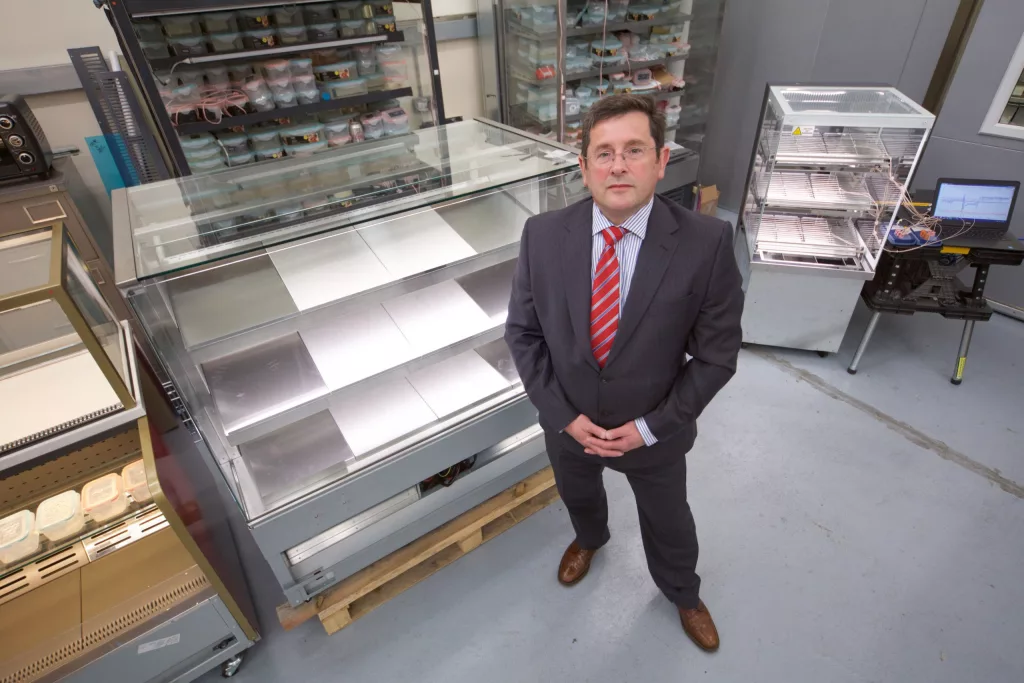
One of the UK’s leading food service and retail equipment suppliers, Victor Manufacturing, has today announced new ownership following a management buyout by long-standing managing director, Phil Williams, which enhanced record growth. Phil, who is the current managing director of Victor Manufacturing and has been with the company for almost 20 years, took the decision to take over the business when the Mrs J M Mountain Will Trust opted to sell the manufacturing firm. Victor Manufacturing has seen rapid growth over the last five years with turnover increasing from £5 million to £9 million. Following the takeover, Phil has ambitious growth plans to continue this success with a clear strategic goal over the next five years aimed at growing annual revenues to £20 million. Phil Williams, managing director of Victor Manufacturing, said: “It is a really exciting time for Victor as we enter new markets and continue to grow our existing ones. Having been part of the company for almost 20 years, I am looking forward to working with the team to continue the great work we have become renowned for over the last 75 years. “The new ownership will provide peace of mind to our staff, customers and suppliers that it is business as usual and with my new commitment as owner as well as managing director, they can be confident in a very strong future ahead.” Significant new accounts over the last 12 months, along with being appointed the exclusive UK partner of leading US manufacturer, Duke, has had a positive impact on the company’s continued year on year growth. This, combined with opportunities in the retail sector, will aid the manufacturer to achieve its ambitious growth plans over the next five years. Celebrating its 75th anniversary in October 2019, Victor Manufacturing specialises in the manufacture and supply of food service equipment to some of the UK’s largest companies and groups in a variety of sectors including education, care, public sector, hospitality, contract catering and retail. The firm employs 120 staff over three facilities in Bradford. The deal was advised by the corporate finance team at Yorkshire accountants and business advisers, Garbutt + Elliott, led by partner, Richard Feltham; legal advice was provided by corporate partner Paul Johnson from the Leeds office of national law firm, Mills & Reeve; and financial funding was secured from HSBC UK to support the management buyout. Manufacturing & Engineering Magazine | The Home of Manufacturing Industry News
Lock Out Tag Out Procedures and Stored Energy

It is a common misconception that when machinery is switched off that the energy within the system has disappeared. Serious injury or fatalities can occur when stored energy within a system is not safely isolated before maintenance or cleaning takes place. Lock Out Tag Out A commonly used method to ensure the safe isolation of equipment is lock out tag out. This is a process whereby machinery is ‘locked’ in the first instance with the correct size lockout device, and padlocks applied to prevent re-energisation or accidental start-up of the machinery. The applied lock is then ‘tagged’ with a label which allows other workers to see who has shut down the machine and when. It is illegal for someone to remove a lock which has been tagged by someone else. Once the machinery has been safely switched off and the locks and tags are in place, the machinery can be tested for secondary energy. This procedure should be undertaken whenever machinery has to be shut down, whether it be for maintenance or cleaning, to ensure the safety of the workers. Accessible Lockout Station Equipment required for lock out tag out procedures should always be kept on near the isolation point. Lockout stations are becoming more common within the workplace, where the required equipment is both clearly labelled and accessible. Pressures for outputs in the workplace and the belief that safe isolation can slow down work can put people in harms way, so it is important that the safety equipment is in clear view. By creating a bespoke lockout station, workers will be less likely to take short cuts with the safety process. Responsibility Safety is everyone’s responsibility, but sometimes it can be easy to pass the blame if something goes wrong. With the tag out procedure each person is responsible for their own safety equipment. When a name is attributed to a piece of equipment, it is not only beneficial from an awareness perspective, but it also creates accountability and further responsibility. This will help ensure the equipment is kept safe and is used in a considered manner. Training Workers should always be fully trained to a high standard before undertaking any work on machinery, with a clear understanding of the lock out tag out procedures and the dangers of stored energy. Whilst in-house workers will be aware of these procedures, it is also vital that temporary workers or contractors also have a full understanding. During the isolation of equipment it is vital that stored energy is considered to ensure accidents do not occur. Lock out tag out is an important addition to safety procedures on machinery and should always be included as part of a safe system of work.