


The World’s First National Campaign to Save Our Sewers and Seas

The World’s First National Campaign to Save Our Sewers and Seas : A new awareness month and national campaign has launched to help save marine life from plastic pollution and prevent fatbergs from destroying the sewer network. Unblocktober, led by Lanes Group plc – the UK’s largest privately owned drainage contractor – challenges the British public to make small changes to their kitchen and bathroom habits for the calendar month of October in order to protect the environment. In just under a month, closed pre-registration has already seen over 1,000 people sign up to take part. Unblocktober participants will commit to putting none of the following down their sinks or loos: Cooking oil – pre or post-cooking Margarine Butter Lard Cooking sauces and condiments Food – even crumbs Wet wipes Tampons, applicators and wrappers Sanitary/menstrual pads and towels Nappies Condoms Cotton buds Contact lenses Bandages and plasters Razor blades Dental floss Michelle Ringland, Head of Marketing at Lanes Group, said: “When fats, oils and grease (FOG) such as the above are poured down the drain, they collect in the sewers and begin to harden into big congealed masses – commonly known as ‘fatbergs’ – that cause serious blockages. Lanes Group itself works on between 400-600 fatberg-related drainage issues each month, including the ‘monster’ Whitechapel fatberg in 2017, which weighed 130 tonnes and was 250 metres long.” Such blockages often lead to flooding, pollution and, potentially, public health problems when foul water ends up on streets and in homes. The problem is further compounded when items that contain plastic and other non-biodegradable materials are flushed down toilets. This causes fatbergs to grow even bigger, and also ultimately leads to plastic pollution in our rivers, seas, oceans and watercourses. “By taking part in Unblocktober, the nation can help significantly reduce the impact of the bad habits adopted in so many kitchens and bathrooms across the country,” Michelle added. In a national survey, the company found that 48% of the nation pour fats, oils and grease (FOG) down their drains. In addition, according to Southern Water, more than 3,000 homes are flooded in the UK every year because of FOG blockages and fatbergs, while £90 million is spent annually clearing fatbergs. Furthermore, Lanes’ survey found that 46% of the female population have flushed tampons down the toilet in the past, while 20% of men have flushed condoms. In addition, 48% have flushed wet wipes labelled as ‘flushable’ down the toilet. Michelle said: “Unblocktober is the awareness month that the environment needs right now. By taking part and changing their kitchen and bathroom habits very slightly for a month, the British public can help solve two critical problems: the millions of tonnes of plastic being dumped into watercourses and the environmental and structural damage caused by sewer blockages. “We have the opportunity to drive real behavioural and environmental change in the UK at a critical time. If we can join together this October as a nation – from toddlers to OAPs – and make the same commitment together, the improvements to the health of the environment we live in will be huge. And even more effective if we can continue these habits beyond October.” The World’s First National Campaign to Save Our Sewers and Seas Manufacturing & Engineering Magazine | The Home of Manufacturing Industry News
AeroThermal’s First Thermal Hydrolysis Unit Operational
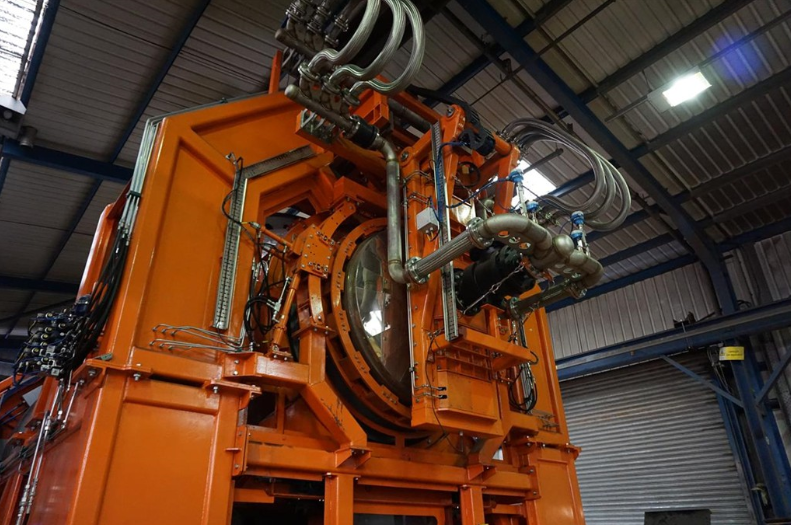
AeroThermal Ltd has announced that its first Thermo-Pressure Hydrolysis (TPH) vessel was onstream processing bio-waste for the first time for a renewables company in the UK. The 65m3 Thermo-Pressure Hydrolysis is a key component at a new bio-waste anaerobic digestion site in the UK. The technology pre-treats food waste and other bio-waste organics prior to going to mesophilic anaerobic digestion. Christian Toll, AeroThermal’s CEO, said: “This is a huge milestone in the handling of household and business organic waste in the most effective environmentally-friendly process imaginable. “We have helped our customer to process thousands of tons of waste and at the same time recovering feedstock for anaerobic digesters for energy production.” The TPH operates in cycles of 2.0 – 2.5 hours, each processing over 20 tonnes of bio-waste. The bio-waste, inclusive of packaging, is subject to a simple maceration process prior to transfer to the vessel. From there it is sterilised under vacuum, followed by high temperature saturated steam while the drum rotates depending on the process requirements. The cellulosic material is hydrolysed and after the process is complete, the product exits the vessel as a pumpable liquid. This is then separated into the predominant organic fraction which goes into anaerobic digesters, producing high yields of biogas, which is upgraded and injected into the national gas grid. AeroThermal has demonstrated that using the TPH process before anaerobic digestion to pre-treat food and packaging waste, significantly increases the range of organic materials that can be digested while increasing methane generation and substantially reducing the amount of material requiring disposal. Mr Toll said: “We are proud to have developed this system and we are looking forward to our TPH generating significant quantities of green energy from bio-waste.” The TPH was installed in partnership with Jones Celtic Bioenergy (JCBE). Dr Andrew Walsh, the Technical Director of JCBE, said that JCBE is very pleased to now have the unique TPH technology demonstrated in a full scale application where the future opportunities for the technology could truly change the face of the industry given the range of organic materials that can be processed that would otherwise be unavailable to digestion. A second larger facility is also currently under construction in Ireland.
New Engineering Practice Announces Its First Office
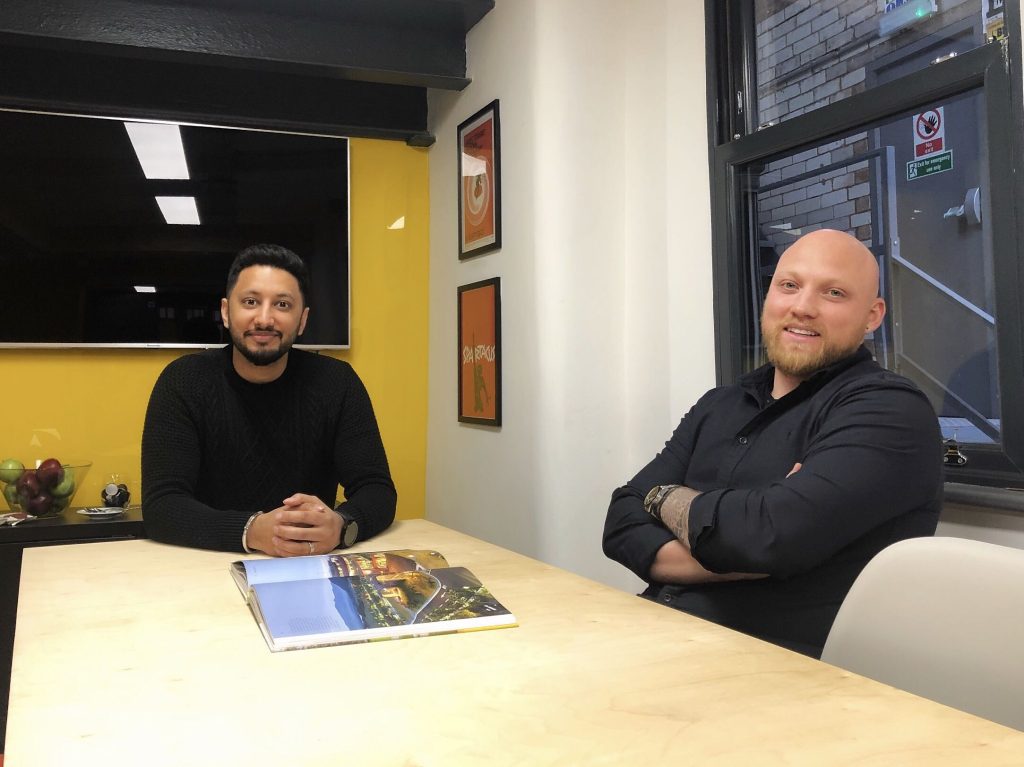
The current perception of engineering is that of a traditional industry; engineers with their heads buried in squared paper and visiting building sites in garish, yellow hard hats. But, in reality, it is a sector which is rapidly developing to meet the evolving requirements of clients, updates in technology, environmental changes and social factors; and a new, Nottingham practice plans on proving this. Dice, a new engineering practice, was set up less than 12 months ago and has recently moved into its first office. As the anchor tenant at Works Social – Nottingham’s newest co-working space – directors, Wayne Oakes and Raj Somal, now have big plans for the future of the business. “We’re delighted to now be in our first office in the Lace Market. We’ve always worked in Nottingham and Works Social is the perfect base for us – it’s a totally new concept for Nottingham; a dynamic, flexible space which suits us perfectly,” said Wayne. The East Midlands-based duo had always worked for large, established civil and structural engineering firms but had a firm belief that they could bring something different to the industry, which is why they’ve created a new concept for their engineering practice. Wayne added: “Raj and I have worked together for a number of years and, during this time, we’ve learnt a lot about what works and what doesn’t. “When we set up Dice, we knew we wanted to create a business that was honest and operated with integrity above all else – with customer service being at the heart of everything we do.” The duo have already developed an impressive portfolio, completing a range of services nationwide for PureGym, as well as working with Co-Op during its UK-wide store improvement programme and rationalisation of its existing stores. They are also involved in the new student residential development on Derby Road and a mixed use development on the Isle of Man. Wayne continued: “Sustainability is now more important than ever and goes beyond token gestures such as the installation of solar panels. There’s so much more potential with sustainable design now, which encompasses far more than just energy saving techniques. “We have a holistic approach to environmentally-sustainable designs, considering every facet of the environment, and actively look to incorporate at least one element of sustainability into every project we’re involved in. From Bee Bricks – designed to accommodate bees’ habitats inside bricks – to attenuation tanks made from soya beans, we want to push the boundaries of what has always been considered ‘the norm’. “As a business, we’re also aiming to be 95% paperless – incorporating sustainability into the fabric of the practice, not just in our work for clients.” A creative and agile approach to design and use of tech is what the industry needs in order to progress, the team at the new engineering practice believes. Raj added: “We need to inspire the next generation of engineers if we’re going to address the skills crisis we’re experiencing in the sector. Utilising technology to its full potential – promoting our industry as the modern, dynamic place to work it really is – is one way of doing this. “We use drone technology as well as design tools like Site 3D, Tekla Structures for completing designs, whilst drawing mark-ups are annotated on iPads. All of our technical drawings are produced in a traditional fashion but stored on cloud-based servers. “The business community in Nottingham has been really supportive and we’ve achieved a lot in less than a year. It’s a really exciting time for construction in the city – with the regeneration of the Southside of the city, all of the work happening within the vicinity of our Derby Road site, as well as the Boots Island site and Nottingham College work – so we look forward to seeing what the next 12 months brings.”
Cummins Introduces New Technology at Middle East Electricity 2019

Cummins Inc. (NYSE: CMI) introduces the new HSK78G natural gas generator series during the Middle East Electricity (MEE), at the Dubai World Trade Center (March 5 – 7), stand S3.D30. With a power density of up to 2.0MW from a 78L engine, which will be displayed on stand, the HSK78G series offers reliable power no matter how extreme the fuel source or operating conditions. This new series represents a bold step into the natural gas area for Cummins, showcasing new technology in a new engine that pushes new levels of efficiency, transient performance and gas variation well beyond former natural gas generators. The HSK78G generator models are suitable for a diverse set of industries from mining to manufacturing to shopping malls and hospitals, and have been designed to operate in extreme conditions while achieving a low total cost of ownership. The HSK78G models run cleaner whilst delivering a high electrical efficiency up to 44.2 percent (50Hz) and 43.5 percent (60Hz) on a wide range of pipeline natural gas down to 70 methane number (MN) without impacting power and efficiency output. Alongside the physical HSK78 engine showcased on stand, an interactive touchscreen will be available, allowing visitors to explore the complete HSK78 generator model in 360-degree mode, while learning more about the key features and benefits of this new series. To complement this display, visitors will be able to step into the HSK78G Experience Pod room, which will take them through a journey of different extreme and urban environments from blistering hot deserts to cityscape settings to highlight the extreme capability of the HSK78G series. For 100 years, Cummins’ technology has powered success around the world. The company’s comprehensive portfolio delivers innovative power projects and solutions for unique power needs. On stand, visitors will be able to discover a range of the company’s latest products, systems and components – all built with the quality and reliability that comes only from Cummins. The C2250D5 cut-away generator set will be showcased, available at 2250kVA and powered by the heavy-duty Cummins diesel QSK60 HPI engine. This model delivers reliable power and fast response to load changes, making it an ideal choice for the commercial and industrial and data center markets. The new 4BTAA3.3-G14 Coolpac generator set, the latest addition to the Cummins medium- duty B3.3 engine series. The Coolpac package performs well under severe duty cycle applications and has environmentally friendly exhaust emissions, 122 degrees Fahrenheit (50 degrees Celsius) cooling capability, low noise and high-power output per litre for best in class reliability. The Cummins ‘There is a Difference’ kiosk showcased on stand, will be displaying a 4-minute video analyzing the critical differences in quality and performance between Genuine Cummins and non-genuine parts. Cummins is also displaying the Digital Master Control (DMC) 8000 remote monitoring simulator, a fully automatic, distributed logic controller suitable for remote applications, making it easier for users to integrate and adapt their varying power needs. The new DMC system can control diverse power sources such as solar, genset and wind. With available remote access and monitoring, users can securely access the control system and view up to 90 days of data logging at anytime, anywhere. Alongside the DMC display, the Cummins Load Control Module (LCM) will be showcased, a load management controller, regulating loads on standby generators to maximize their power potential via a smart and cost-effective package deal for the light commercial building industry. On stand visitors will be able to experience a simulation in real-time of how all system components are monitored.
Are Customers Reaching an Ethical Tipping Point?

The UK is a nation addicted to fashion, buying five times more clothes today than in the 1980s. But 400,000 tonnes of clothes end up in landfill every year – and there is growing awareness that the way these clothes are produced and discarded is having a massive impact on the environment, from water consumption during production to marine contamination from microfibres. As younger, more mindful customers increasingly dominate the fashion customer base, are we at an ethical tipping point, asks Craig Summers, UK Managing Director, Manhattan Associates. Fast versus Mindful As Generation Z swiftly moves into buyer territory, we are being led to believe that the more sustainable, eco-friendly, conscious customers are being rapidly born. Retailers up and down the country are being questioned about their sustainable fabrics, packaging and business ethics by customers who are starting to care more about sustainable buys than investing in fast fashion. Or are they? The UK buys significantly more clothes that any other European nation – an estimated 26.7 kg per person, a huge volume more than second placed Germans at 16.7kg a year. Are Generation Z really ready to make a change? There is evidence that a growing awareness of the environmental damage caused by the clothes production is hitting the mainstream. Certainly, the recent documentary by Stacey Dooley – Fashion’s Dirty Little Secret – shocked many individuals. From the volume of water used during cotton production to the toxic waste associated with the dyeing process, the environmental damage created by the developed world’s addiction to fast fashion hit hard. It was no Blue Planet moment, when the UK’s collective realisation of the huge damage being wrecked globally by our plastic consumption created an unstoppable groundswell in public opinion that has driven retailers to completely rethink food packaging, but it was definitely a start. And hard on the heels of the documentary came a Parliamentary Review into the environmental impact of the fashion industry, during which a raft of highly disturbing facts emerged – not least that the global fashion industry produced 1.2 billion tonnes of CO2 equivalent in 2015, more emissions than international flights and shipping combined and the growing evidence that marine habitats are being contaminated by synthetic fibres released when clothes are washed. In addition, the Environment Audit Committee (EAC) actually named and shamed certain fashion retailers for selling £5 dresses that were of such poor quality they are not wanted by charity shops and must be incinerated or added to landfill. Aware and Vocal The result has been a spotlight on the fashion industry with the EAC writing to leading fashion retailers demanding information regarding key ethical policies, from garment worker wages and avoidance of child labour, to the use of recycled material, disposal of unused stock and steps to reduce the risk of microplastics contaminating the ocean. And it is these issues that are likely to increasingly inform the buying habits of Generation Z. This is the generation that has contributed to the huge growth in veganism in recent years – and an attendant level of expectation on food providers. An estimated 3.5 million Britons now identify as vegan, a significant increase from 500,000 in 2016, and these consumers are increasingly vocal about their expectations, according to Feed it Back which has noted a growth in negative reviews about the quality of vegan food. From being a fringe consumer group, food retailers and restaurants now have a highly educated and vocal vegan audience to address. Generation Z may not all be mindful consumers – although they are often more mindful and aware than their parents – but they are extremely discerning. They have been brought up as buyers with more choice and a belief in sharing experiences via social media. And in a cultural environment now expecting retailers to eradicate single-use plastic and deliver high-quality vegan food, it is likely that ethical clothing expectations will rise – and similar levels of transparency will be demanded when it comes to fashion, from manufacturing processes through fabric to transport and disposal.
The Advantages of Zero Motorcycles

Zero motorcycles offer distinct advantages when compared to the conventional petrol-powered bikes, including battery-powered propulsion that gives an especially intoxicating riding experience. Massive torque delivers a gratifying rush of acceleration, while the absence of noise, heat and vibration heightens the sensation of speed and smoothness. With no oil to change, no fluids to leak, and no routine maintenance needed; service items like valve adjustments, spark plug replacement, and installing new filters simply become a thing of the past. Electric motorcycles are also surprisingly economical, with a total cost of ownership that is far lower than equivalent internal combustion models. At the heart of every Zero is the efficient Z-Force® powertrain, which eliminates the need for the heavy and complex components found in conventional motorcycles. The Z-Force® motor contains only one moving part, is sealed and air-cooled, and requires no routine maintenance. Despite its compact proportions, the motor produces up to 146 Nm of torque, more than you’ll find in any 1,000cc petrol-burning sport bike. The Z-Force® battery achieves the highest power and energy density in the EV industry and is backed by a five-year, unlimited-kilometer warranty. Zero’s technology is also connected with the modern lives through a free mobile app available for iOS and Android that uses a Bluetooth connection to the bike to enable customizable performance parameters. Riders can determine max torque, top speed and levels of regenerative braking to suit their preference. The app also enables the motorcycle’s firmware to be updated remotely, saving time-consuming trips to the dealer. Regarding the environment, Zero motorcycles produce no tailpipe emissions, create virtually no noise pollution and require none of the consumables like fuel, oil, or coolant used by internal combustion engines. Valuable energy is used to move the motorcycle, rather than being lost as wasted heat. Electric motorcycles also have the capacity to be powered entirely by renewable resources. Charging a Zero is simple and convenient, as each one comes equipped with a built-in charger that turns any household 110/220V outlet into a “fueling station,” and the connection takes just a few seconds to plug and unplug. Depending on battery capacity, charging can take from a couple of hours to overnight. From the national to local level, many governments around the world are offering incentives to those who purchase and operate electric motorcycles. While not all countries and regions have discounts or rebates, many are exploring such ideas or other incentives to reduce pollution or accelerate their economy. Zero Motorcycles works with organizations around the world to ensure that maximum exposure and benefits are given to this new industry. Manufacturing & Engineering Magazine | The Home of Manufacturing Industry News
First UK Port to Prevent Plastic Pellets Leakage

Teesport’s operator PD Ports has signed up to the Operation Clean Sweep (OCS) initiative, turning Teesport into the first UK port to actively minimise the risk of plastic pellets from leaking into the environment. “Today’s news is a major step forward in the fight against plastic pollution, and will delight the hundreds of my constituents who take part in regular beach cleans at Saltburn and along our local rivers and streams. The British Plastics Federation is doing wonderful work tackling this scourge, and PD Ports deserve great credit for engaging swiftly and decisively as the first UK port to sign up to Operation Clean Sweep,” said Simon Clarke, MP for Middlesbrough South and East Cleveland, who also announced the landmark agreement, while presenting the OCS certificate to PD Ports at a BPF reception at the House of Commons on Monday 10th September. Operation Clean Sweep is already implemented across the UK in over 250 sites, which up until now have largely been plastics manufacturing plants. However, the recent announcement represents an important shift, incorporating other companies who handle these materials along the supply chain – ensuring plastics are handled responsibly during transportation. “As a port, we already have a number of initiatives in place to work with river users to reduce plastic making its way into our environment and our work with the British Plastics Federation reinforces our commitment. Plastics are clearly important for a number of purposes, but it’s important that we all take responsibility for how they are managed and disposed of, so as to not be detrimental to the planet,” commented PD Ports Chief Operating Officer and Vice-Chairman, Jerry Hopkinson. With headquarters in Middlesbrough, PD Ports has several operations across the UK at key ports including Teesport. One of the major shipping and logistics hubs in the North of the UK, Teesport handles over 500,000 teu a year.